Dr Sama Bilbao y León co-chairs World Economic Forum Energy Forum in Geneva
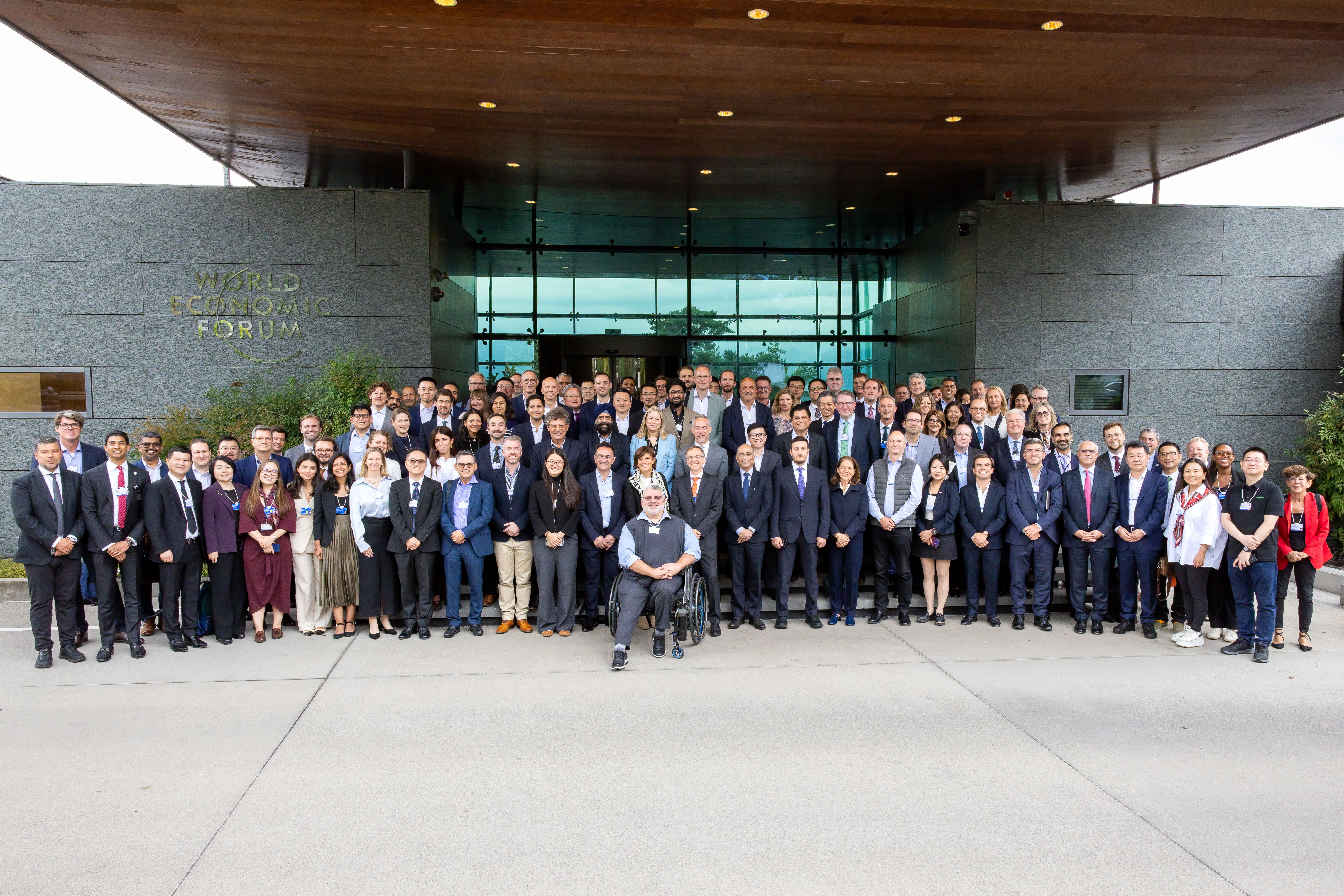
Following World Nuclear Association’s engagement at the World Economic Forum Annual Meeting in Davos earlier this year, Director General Dr Sama Bilbao y León co-chaired the first World Economic Forum Energy Forum at the Forum’s headquarters in Geneva on 16 September.
The Energy Forum brought together more than 175 leaders from across the global energy ecosystem, including business executives, policymakers, technology innovators, experts and international organisations, to examine the forces reshaping energy systems and identify pathways to unlock growth, strengthen resilience and accelerate innovation.
The Forum was convened against a rapidly changing global energy landscape, shaped by rising energy demand, geopolitical uncertainty, technological transformation and increasing competition for investment and industrial leadership. Discussions focused on the interconnected challenges of energy security, affordability, sustainability and economic competitiveness.
For World Nuclear Association, the Energy Forum provided another opportunity to bring the essential role of nuclear energy into high-level discussions about the future of energy systems.
From Davos to Geneva
At Davos in January, World Nuclear Association highlighted the role of nuclear energy in supporting economic resilience, industrial competitiveness and energy security. Nuclear featured in discussions across the World Economic Forum programme, including a dedicated session on nuclear energy in Africa, while the Association contributed to the Forum’s wider work on future power systems.
The Energy Forum builds on that engagement, bringing nuclear energy into a broader conversation about how energy systems must evolve to meet growing demand while strengthening resilience and supporting economic growth.
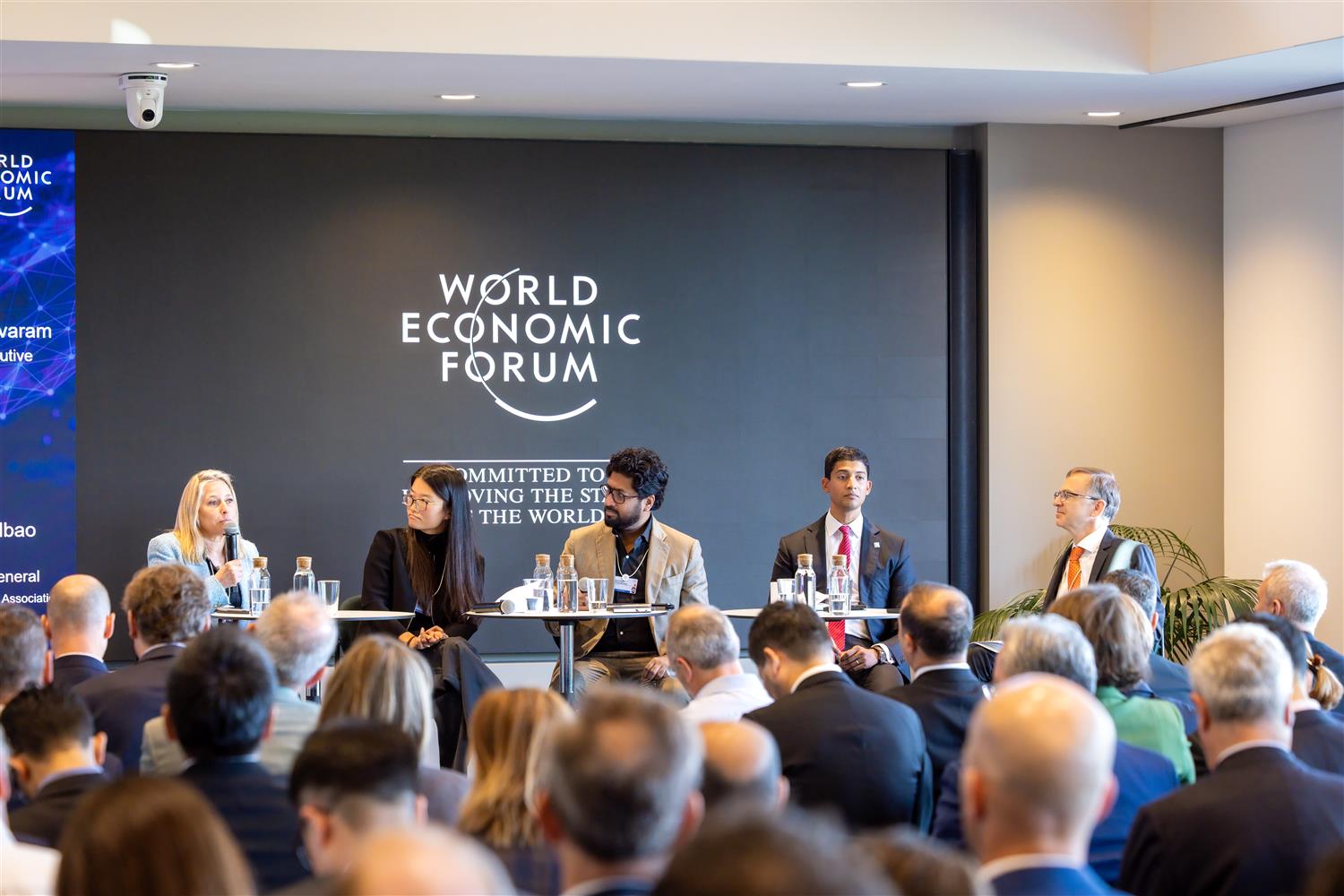
As co-chair, Sama Bilbao y León participated in the opening plenary, Solving the New Energy Equation: Priorities for a Changing World, which examined how governments and businesses can address energy security, affordability, sustainability and competitiveness simultaneously.
Speaking following the Forum, Sama said:
“It was an honour to co-chair the first-ever Energy Forum 2026, bringing nuclear energy into the conversations about one of the defining challenges of our time: how to build sustainable energy systems that can power a growing and increasingly electrified world.
Energy is not simply a sector of the economy. It is the engine of the economy.”
The discussions at the Energy Forum reflected this wider systems perspective, with participants considering the infrastructure, investment, technologies and policy frameworks needed to respond to rapidly increasing electricity demand.
Energy systems for a changing world
The programme explored a range of issues shaping the future energy system, including power grids and flexibility, clean fuels, emerging technologies, international energy cooperation and the growing electricity requirements of artificial intelligence.
One session examined how investment in grids, flexibility and new generation capacity can be accelerated, with the Forum highlighting the need for faster permitting, effective market design and stronger public-private collaboration.
Another session considered how AI is changing the relationship between energy and economic competitiveness, and how governments, technology companies, utilities, investors and industry can work together to ensure energy systems become an enabler rather than a constraint on the growth of the AI economy.
These discussions are increasingly relevant to nuclear energy as countries consider how to provide reliable, low-carbon electricity alongside rapidly growing industrial and digital demand for abundant energy.
Nuclear as an essential component of the clear energy transformation
Sama provided an update about the current outlook from nuclear, highlighting the excellent performance of the global nuclear fleet, which provides about 25% of the global carbon free electricity and which reached a record generation year in 2025 for a second consecutive year. Looking at the future, she reported that if governments deliver their stated goals, global nuclear capacity could reach 1457 GWe by 2050, exceeding the COP28 Tripling ambition.
Sama described the countries that are making the most progress as those that treat nuclear energy as a national program as opposed to individual projects, and have created the conditions for continuous deployment. The most successful countries have connected nuclear policy to national economic and industrial strategies.
In this sense, Sama shared how the nuclear industry is working to move from a series of bespoke, government-supported projects to a mainstream infrastructure asset class capable of attracting large pools of private and institutional capital making nuclear investable at the scale required.
During discussions about going from “coal to clean”, Sama explained the game changing opportunity nuclear energy brings to repower retiring coal assets, repurposing the sites, the grid connections, the cooling access while maintaining the local and regional economies with well paid long-term jobs.
From dialogue to action
The Energy Forum concluded with a focus on translating discussion into practical action, identifying the partnerships and leadership priorities needed to strengthen energy security, competitiveness, resilience and sustainability.
World Nuclear Association will continue to work with the World Economic Forum and other international partners to support informed dialogue on the critical role of nuclear energy in the global energy systems of the future.