Energizing Development: Desalination
Most desalination plants are powered by fossil fuels, contributing to increased levels of greenhouse gases. To address this environmental challenge and ensure a sustainable supply of fresh water, nuclear energy emerges as the most effective and preferred solution for such energy-intensive operations.
"Only nuclear reactors are capable of delivering the copious quantities of energy required for large-scale desalination projects" in the future (IAEA 2015).

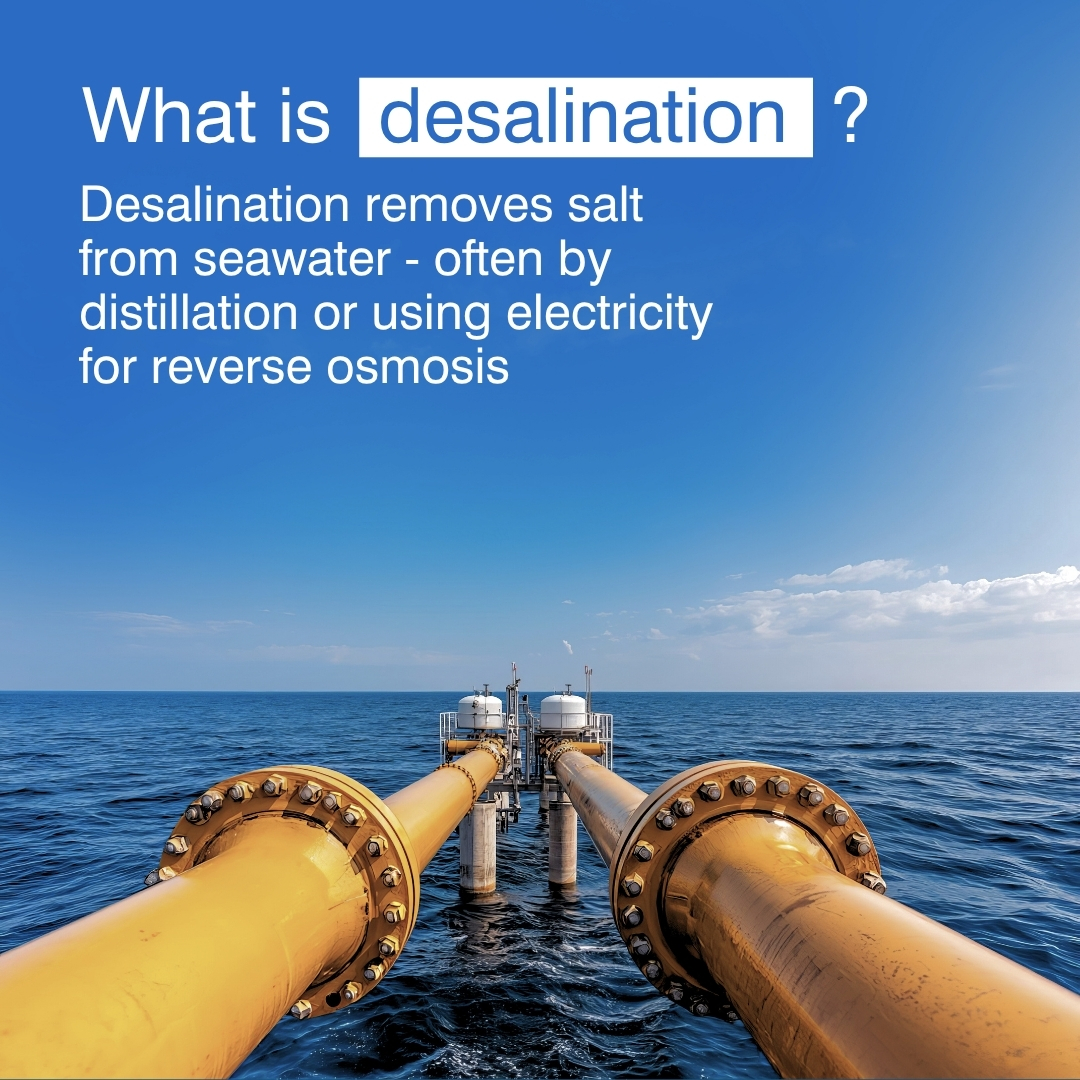
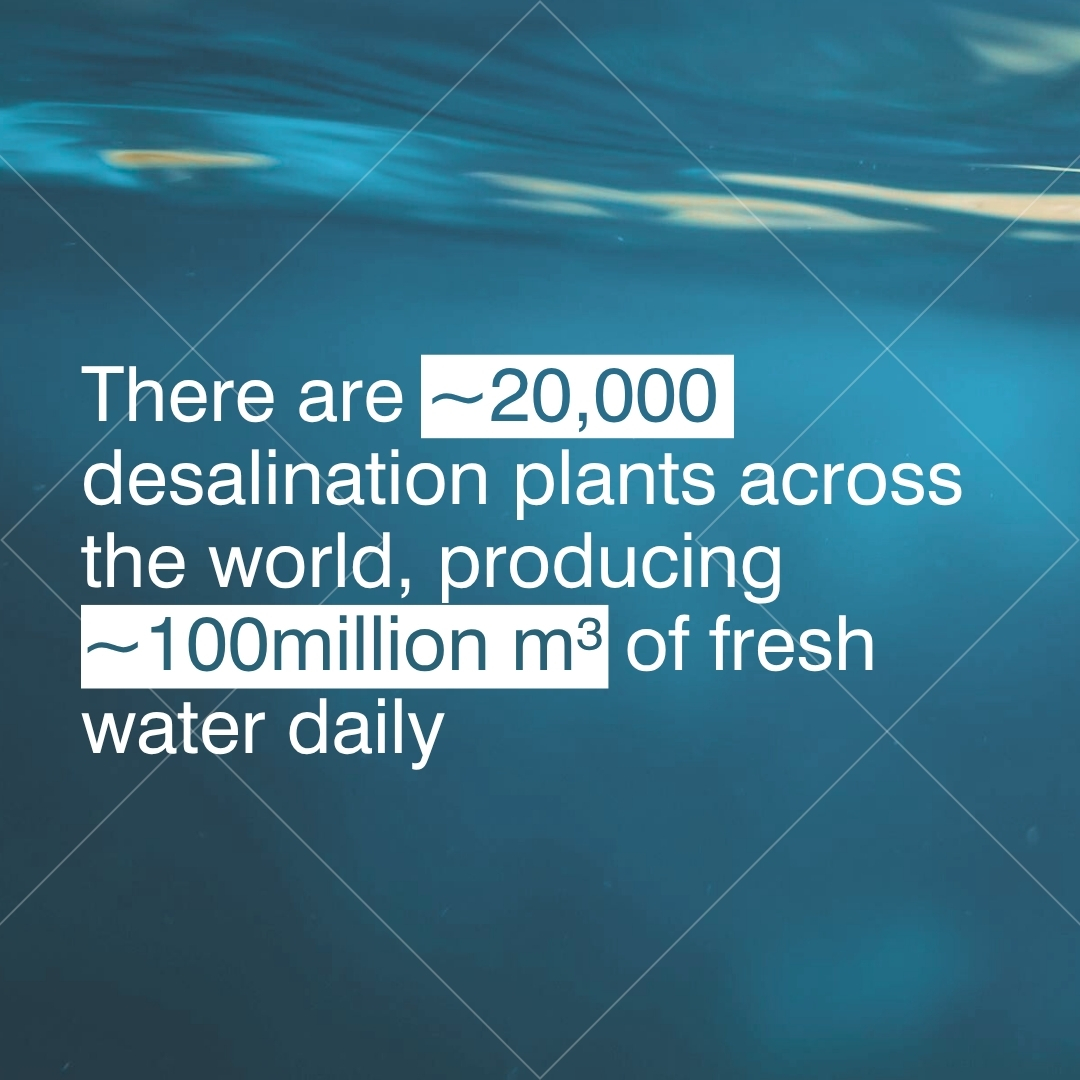
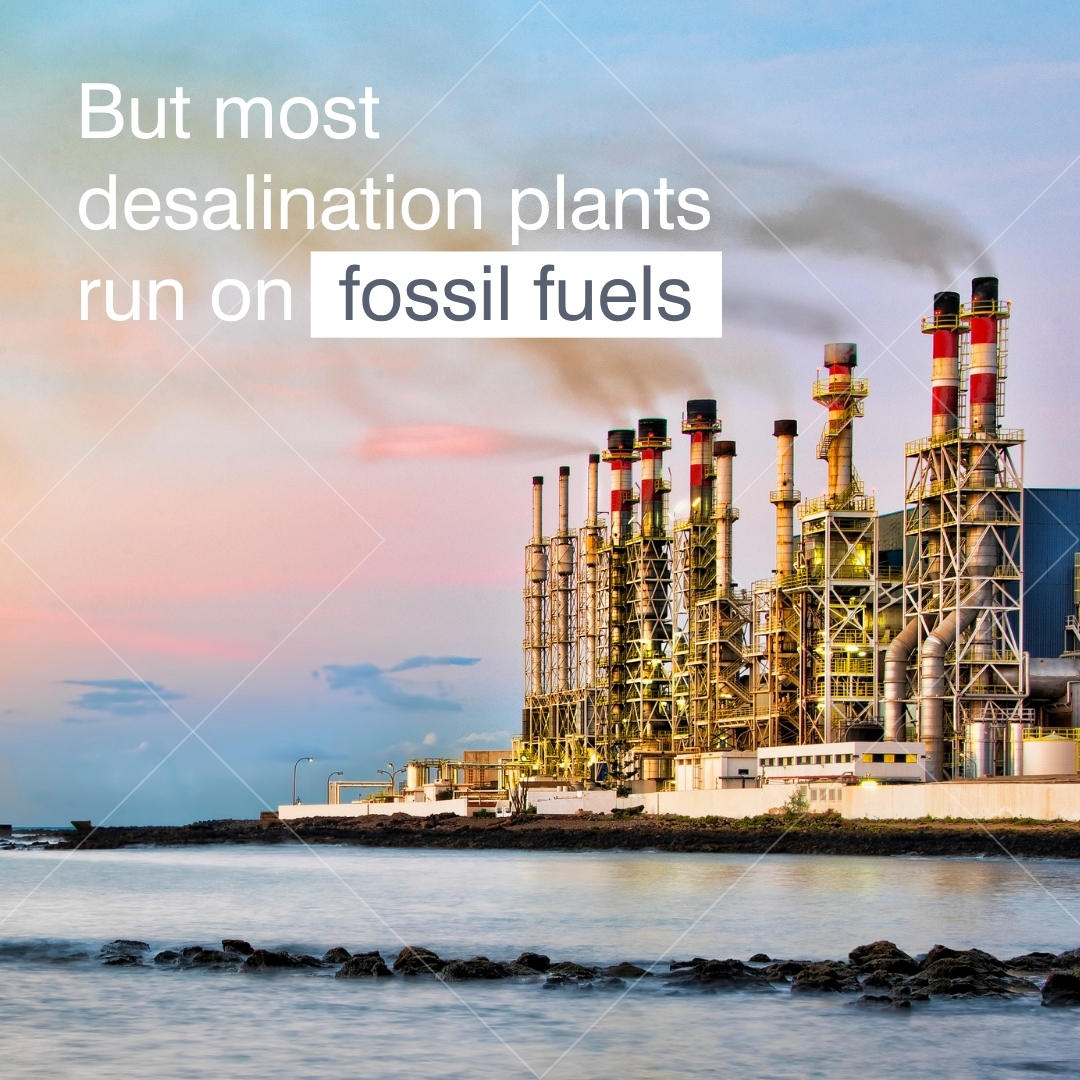
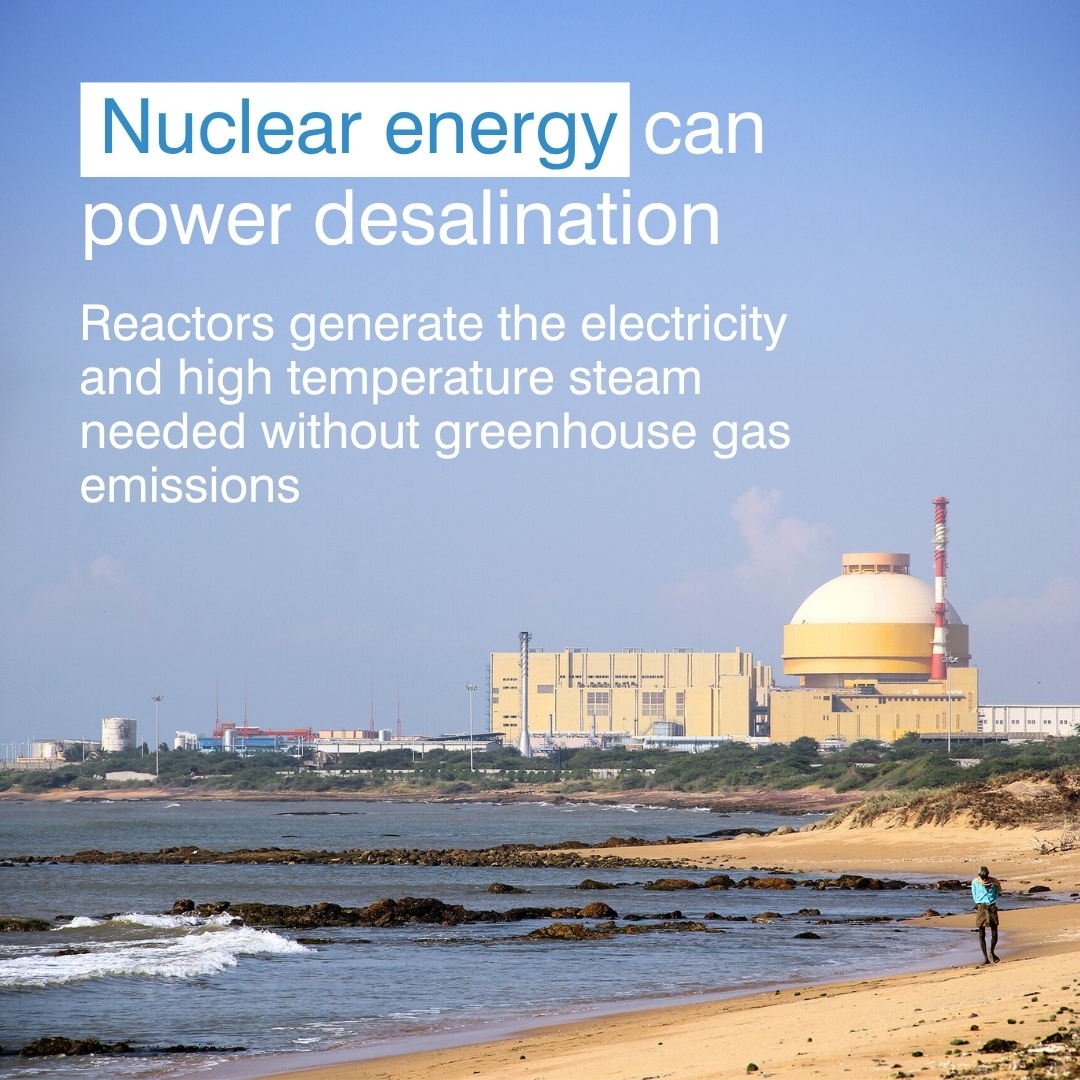
By powering desalination, nuclear energy presents a promising solution to the global water scarcity crisis. While over two billion people lack access to safe drinking water, existing desalination plants primarily rely on fossil fuels, contributing to further greenhouse gas emissions. Nuclear reactors can produce the electricity and heat required for desalination, providing wider access to clean water, all without carbon emissions. Energizing water desalination with nuclear aligns with the UN’s SDG 6, focusing on the necessity of clean water and sanitation.
Find out more about World Nuclear Association’s work in Energizing Development
- Innovations in desalination processes, energy efficiency, and optimisation will be showcased by Desalination Technology – with a focus on exploring the integration of clean energy sources, such as nuclear, to enhance desalination operations.
- India and Japan have coupled desalination plants with nuclear reactors, while several other countries, including Algeria, China, Egypt, Jordan and Saudia Arabia, have expressed interest in utilising nuclear energy for desalination. World Nuclear Association’s Information Library provides a comprehensive overview of desalination: Desalination - World Nuclear Association.
Figure 1 illustrates all global units with desalination and district heating – 2023.
For more information, explore World Nuclear News’ coverage on desalination: