Working Groups in Action: September 2026 Highlights
The September 2026 Working Group meetings convened members from across the global nuclear value chain in London to share international developments, advance practical work programmes, develop industry positions and address the opportunities and challenges that will shape the next phase of nuclear growth.
Across fuel cycle, regulatory, deployment, commercial and industry-focused groups, the emphasis was on turning shared expertise into practical outputs, from improving regulatory alignment and strengthening supply-chain readiness to developing winning approaches for used fuel, workforce capability and the deployment of nuclear in new markets.
Below is a snapshot of the key outcomes from the September Working Group meetings.
Maximizing the coordination of the WNA Working Groups
We opened the week with a new forum, the Chairs and Vice Chairs meeting, in which all working groups came together through their leadership teams to coordinate efforts to jointly rise to the opportunity of the extraordinary growth expected for the nuclear industry. This forum will facilitate collaboration across working groups, in support of members' interests, the Association's mission, and industry needs.
Recognizing extraordinary contributions during the Members Forum
The Members' Forum provided an opportunity to recognise the contribution of members who have helped shape the Association's work for many years. World Nuclear Association Director General Sama Bilbao y León presented awards to 20 members who have served in leadership positions within WNA Working Groups, recognising the expertise and dedication that underpin the Association's technical and industry work.

The Members Forum also marked the contribution of our Senior Advisor India, Shah Nawaz Ahmad, who will be standing down from the role after 15 years. His long-standing contribution has supported World Nuclear Association’s engagement with one of the world's most important and rapidly developing nuclear markets.

Making the most of Shah Nawaz Ahmad expertise and insights, members also heard about the latest developments in India's civilian nuclear power programme following the enactment of the SHANTI Act in early 2026, which opens the Indian nuclear market to private and international players. Dr Jonathan Cobb, Senior Programme Lead, Energy & Climate, provided an update on the newly published 2026 edition of the World Nuclear Outlook Report. The presentations are available in the members area of our website.
Advancing reactor licensing and standardisation | CORDEL Working Group
The Cooperation in Reactor Design Evaluation and Licensing (CORDEL) Working Group continued its work in preparing the study that reviews and assesses how the ongoing revision and optimization of licensing and regulatory frameworks by several nuclear regulators across multiple jurisdictions could improve the international deployment of reactor technologies. CORDEL members presented updates from their own reactor development projects and considered what the changing regulatory approaches could mean for the industry's ability to deploy standardised designs at scale.
CORDEL, in collaboration with other Working Groups, is preparing a new Licensing and Regulation Summit in 2027 bringing together all World Nuclear Association members and work streams with a shared interest in accelerating regulatory efficiency and effectiveness. By connecting expertise across the regulatory, technical and deployment landscape, this work aims to identify where greater international cooperation can help remove barriers to new nuclear growth.
Please contact ronan.tanguy@world-nuclear.org if you want to learn more or join CORDEL.
Creating a practical baseline for ESG assessment | ESG Working Group
The ESG Working Group is moving forward with the development of a “Nuclear Fuel Supplier ESG Assessment Framework” which will provide a global industry baseline for evaluating ESG preparedness.
By creating a common and practical approach to ESG assessment, the framework can make it more efficient for utilities and suppliers to exchange information, and enhance transparency between fuel services suppliers and customers.
This framework is now moving towards wider Association consultation. The ESG Working Group plans to host a webinar to engage wider industry stakeholders on the new ESG assessment framework.
The group also continued work on wider issues including water stewardship, workforce development, ESG rating methodologies and the engagement with the proposed revision of the Greenhouse Gas Protocol's Scope 2 Revision.
Please contact qi.zhao@world-nuclear.org if you want to learn more or join the ESG Working Group.
Bringing the demand side into nuclear deployment | End Energy Users Panel
The End Energy Users Panel brings together industrial energy users alongside technology vendors, EPCs, financiers and legal advisers to tackle the practical barriers to using nuclear power for industrial applications.
Members considered the work by the Industrial Advanced Nuclear Consortium to standardise nuclear adoption across the petrochemical, mining and metalurgical industries. They also held a roundtable on contracting and delivery models for offtaker use of nuclear energy, and concluded that hybrid contract structures, as well as standardised, repeatable designs are the realistic route to financeable, on-schedule projects.
By engaging directly with end energy users, the Panel is helping ensure that financing, contracting, technology and regulatory approaches taken by the nuclear industry meet the demand requirements of the ultimate customers.
Please contact raquel.heredia-silva@world-nuclear.org if you want to learn more or join the End Energy Users Panel.
Preparing the next World Nuclear Fuel Report | Fuel Report Working Group
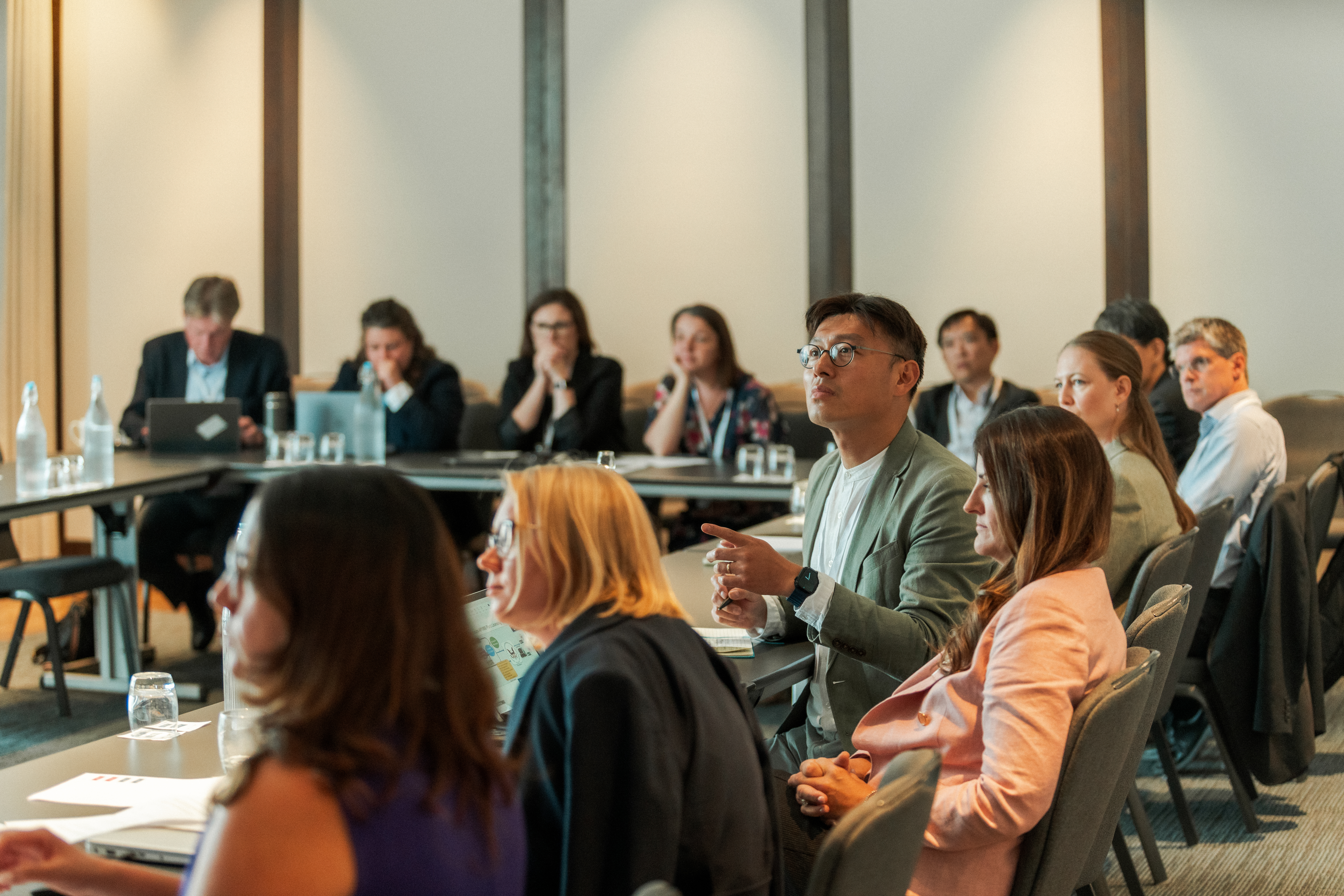
The Fuel Report Working Group and its six sub-groups continued their hard work on the 2027 World Nuclear Fuel Report, building the evidence base needed to gather all current data and develop the insights to best understandglobal nuclear fuel demand and supply trends to 2050.
Demand discussions examined developments across major nuclear markets, including China, North America, Japan, South Korea, India, Europe and Russia, as well as new markets. The SMR Task Force presented work underway to discuss how Gen IV and advanced SMRs requiring LEU+ and HALEU will be modelled in the report.
On the supply side, members provided updates from across the fuel cycle, while the Secretariat shared developments from the recently launched World Nuclear Outlook Report and the ongoing work to update the ‘Nuclear Fuel Supplier ESG Assessment Framework’
The depth and breadth of members’ input is helping the report present a holistic and detailed view of the fuel-cycle capacity that will be required as existing fleets operate for longer, new reactors are built and advanced reactor technologies emerge.
Please contact kaajal.desai@world-nuclear.org if you want to learn more or join the Fuel Report Working Group.
Advancing alignment in decommissioning and waste management | Material & Waste Decommissioning Working Group
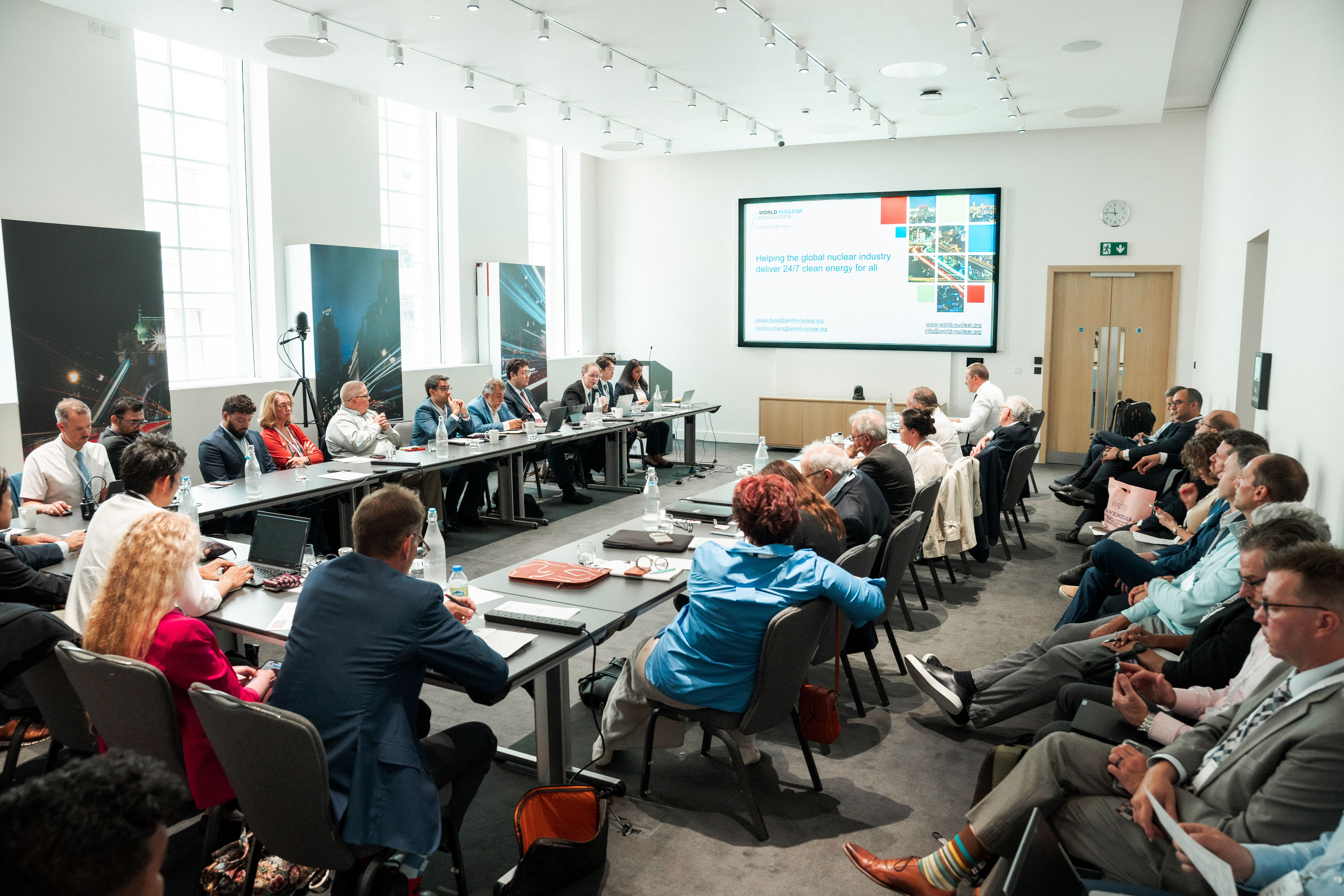
The Material and Waste Decommissioning Working Group is working towards more consistent and efficient regulatory approaches to nuclear back end across jurisdictions.
The September meeting included updates from the IAEA covering current activities in decommissioning and environmental remediation alongside developments in waste technology. The European Commission presented the current status of its activities under the Euratom research fission sector.
A central focus of the meeting was finalising the Working Group’s Alignment of Regulation report, which aims to identify opportunities for increased consistency in regulatory approaches to decommissioning and waste management.
By addressing differences in regulatory approaches and building a stronger shared evidence base, the Working Group is helping reduce unnecessary complexity and support more predictable, efficient outcomes for decommissioning and waste management internationally.
Please contact allarakha.vora@world-nuclear.org if you want to learn more or join the Material and Waste Decommissioning Working Group.
Coordinating the industry's approach to Nuclear for Maritime
As interest in nuclear for maritime applications grows, World Nuclear Association brought together expertise from across its Working Groups to examine the practical conditions needed for effective deployment.
The cross-Working Group roundtable brought together members from CORDEL, Transport, Economics, Law & Finance and the End Energy Users Panel, including developers, classification societies, legal and commercial experts and end users.
The discussion focused on questions that will shape deployment, including regulatory harmonisation, the respective roles of nuclear and maritime regulators, as well as commercial and financing models.
The roundtable provided a space for members to input into World Nuclear Association’s work on nuclear for maritime, which includes bringing the point of view of the global nuclear industry to international efforts such as the IAEA's ATLAS initiative.
Please contact raquel.heredia-silva@world-nuclear.org if you want to learn more or join the nuclear for maritime cross-Working Group.
Shaping the future of radiation protection | Radiological Protection Working Group
The Radiological Protection Working Group is helping to shape the radiation protection approaches that will govern an expanding nuclear industry for decades to come. Ensuring that the voice of the global nuclear industry is well heard is essential, as regulators across the world evaluate reviews to the existing radiological protection system.
Members reviewed developments including horizon-scanning updates on US NRC proposals to dose management, ICRP work on individual sensitivity and environmental exposure, emergency preparedness, NORM and clearance, as well as recent low-dose research.
The group has drafted a position statement on decision-making at very low doses, and a joint industry statement on the ICRU Report 95 on operational dose quantities has been signed by nine international organisations representing diverse sectors of the economy that utilize ionizing radiation. Looking ahead, Working Group members are also planning closer cooperation with CORDEL, Transport, Supply Chain and Decommissioning on a Licensing and Regulatory Summit in 2027.
Alongside policy and technical work, the group is examining the radiation protection workforce needed to support industry growth to 2050. Together, these activities are helping ensure that radiation protection frameworks remain effective, proportionate and fit for a growing and evolving nuclear sector.
Please contact sameh.melhem@world-nuclear.org if you want to learn more or join the Radiological Protection Working Group.
Making security an enabler of nuclear growth | Security Working Group
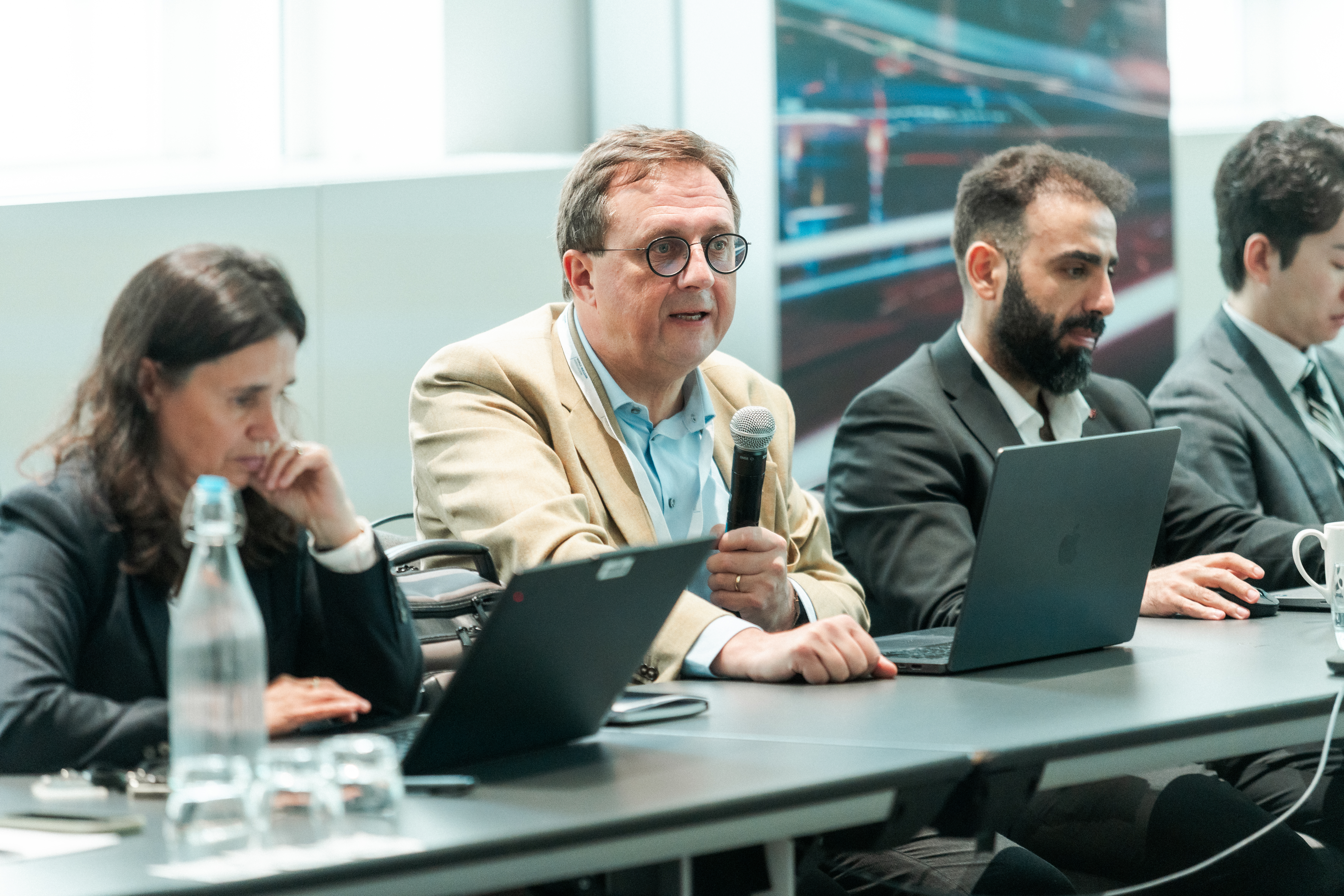
As nuclear technologies, deployment models and supply chains become more diverse, the Security Working Group is examining how security approaches can evolve alongside them.
September's meeting explored how security can support growth rather than simply respond to risk. Topics included regulatory frameworks for new reactor technologies, the potential positive use of drones and AI for surveillance and threat detection, and better ways of demonstrating the economic value and return on investment of security programmes.
The group is now developing practical work around these priorities, drawing on real-world case studies and stronger links with peer working groups. This will help members build security into new projects and technologies in ways that strengthen confidence, resilience and delivery as the industry scales.
Please contact isis.leslie@world-nuclear.org if you want to learn more or join the Security Working Group.
Building confidence and capacity across the nuclear supply chain | Supply Chain & Long-Term Operation Working Group
The Supply Chain and Long-Term Operation Working Group is focused on a practical challenge created by the growth of the nuclear project pipeline: sharing information on project development, industry good practices and challenges. .
The World Nuclear Supply Chain Conference in Manila on the 20-21 October alongside the World Nuclear Supply Chain Report due for publication in 2027 are helping to provide that visibility. Drawing on contributions from across the global value chain, the report will map future demand for major components, long-lead items and services and identify where capacity is likely to come under pressure.
The September meeting also examined what will be needed to meet that demand, including quality management and the culture underpinning ISO 19443, as well as supplier expansion routes such as modular and serial fabrication and qualified additive manufacturing.
The newly created Manufacturing Sub-Group provides manufacturers with a dedicated forum to address shared challenges, while further joint activity with other Working Groups is planned from January 2027.
Together, this work is helping turn confidence in future nuclear demand into the information, investment and manufacturing capacity needed to deliver projects at scale.
Please contact nathan.paterson@world-nuclear.org if you want to learn more or join the Supply Chain and Long-Term Operation Working Group.
Understanding the workforce needed to deliver growth | Talent & Workforce Working Group
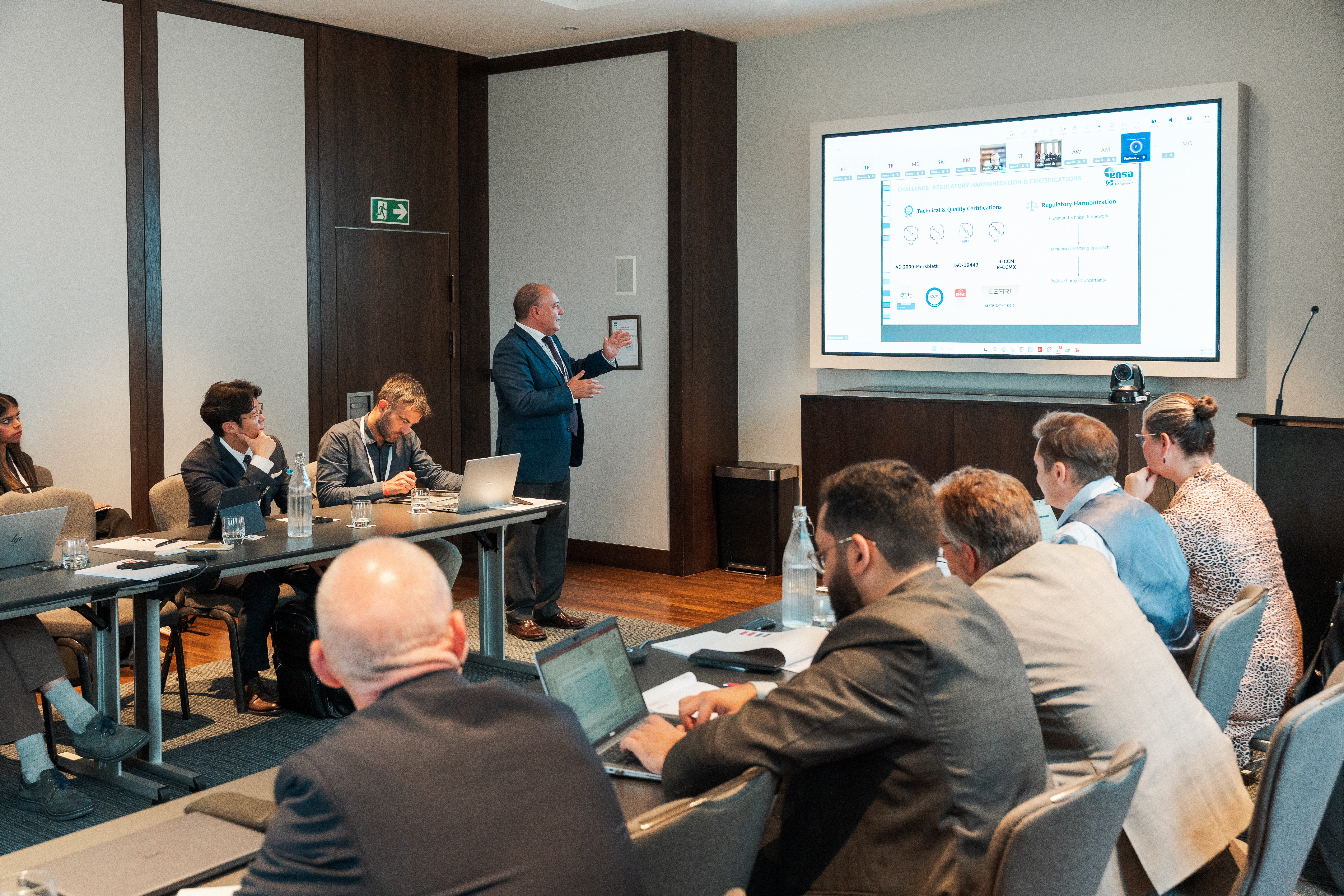
The Talent and Workforce Working Group is tackling one of the practical questions at the heart of nuclear expansion: whether the industry has the right capabilities, in the right places, to deliver an expanding and increasingly diverse pipeline of projects.
Working Group members looked beyond headline skills shortages to examine how workforce requirements change according to technology, project stage and delivery model. They also considered where skills can be transferred from other sectors and where nuclear-specific expertise remains essential.
The group is now shaping practical work on areas including workforce capability, AI and emerging technologies, mobility and retention. By bringing together experience from across the international nuclear sector, this work will help member organisations make better workforce decisions while building a clearer picture of the capabilities required to deliver nuclear growth through to 2050.
Please contact isis.leslie@world-nuclear.org if you want to learn more or join the Talent and Workforce Working Group.
Strengthening the resilience of nuclear transport | Transport Working Group
The Transport Working Group continued its focus on Denial of Shipment and the practical challenges of moving nuclear and radioactive materials through increasingly complex international logistics networks.
Members examined the transport of uranium from Kazakhstan, including the particular challenges associated with landlocked export routes and multi-jurisdictional transit. A case study from the UK's National Focal Point added to the group's growing body of practical experience on Denial of Shipment across member states.
The group also considered the potential logistics implications of proposed U.S. Senate Bill S.5025 for Class 7 transport (the Lindsey O. Graham Sanctioning Russia and Iran Act of 2026), and possible engagement with the IAEA's Atomic Technologies for Application at Sea (ATLAS) initiative. A concept paper on the status and outlook for nuclear material transportation was also presented.
This work is helping build a clearer picture of the transport requirements and potential barriers that could affect the deployment of new nuclear technologies and expanding fuel cycles.
Please contact allarakha.vora@world-nuclear.org if you want to learn more or join the Transport Working Group.
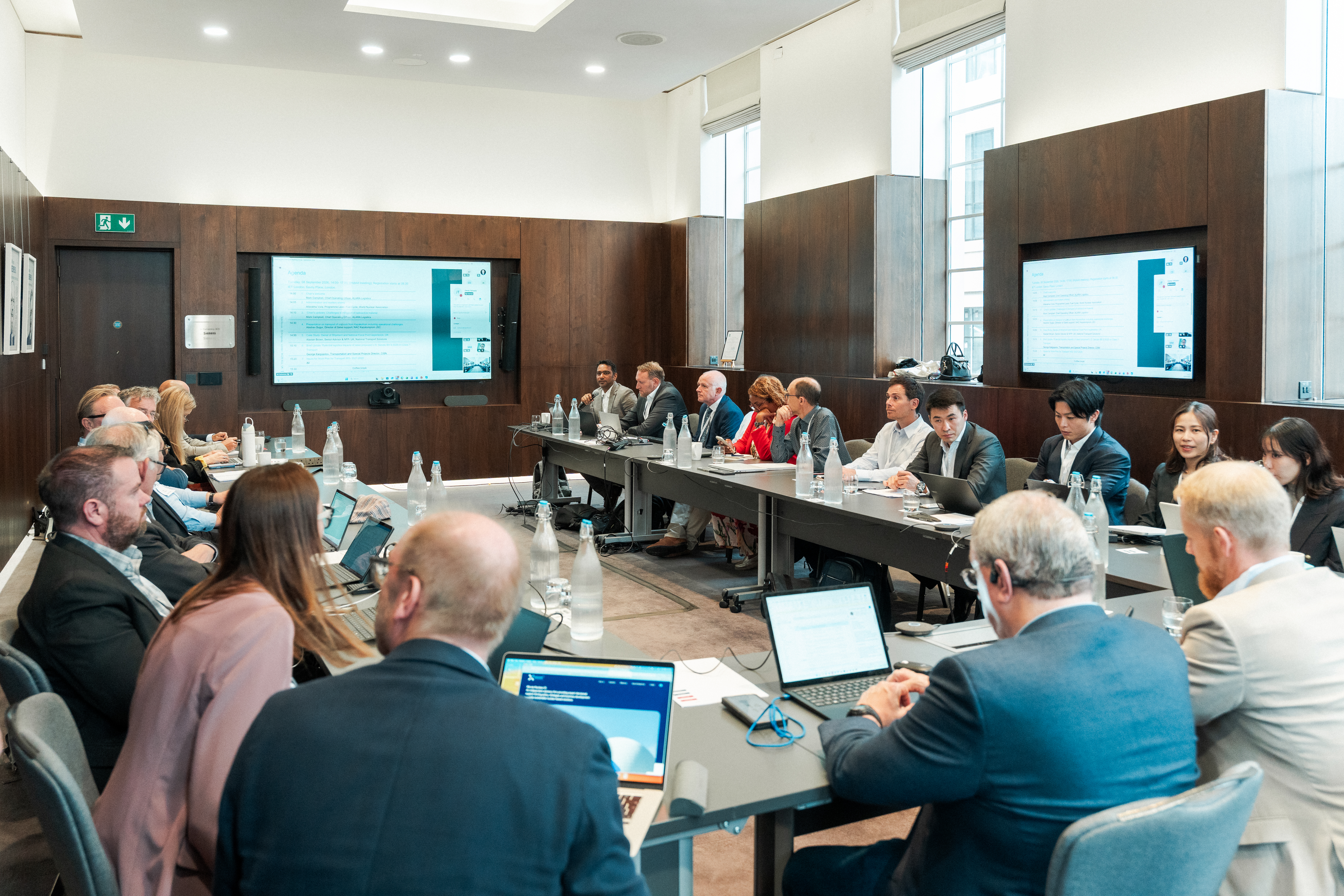
Building the foundations for future fuel cycles | Used Fuel Management Working Group
The Used Fuel Management Working Group is looking beyond today's storage and disposal requirements to consider what will be needed as nuclear capacity expands and new reactor technologies enter the market.
The group heard from the IAEA on the essential role of fuel-cycle capability to fast reactor deployment and on forthcoming work on collaborative approaches to the back end, including shared infrastructure and commercial services. Professor Xuegang Liu of Tsinghua University presented China's closed fuel-cycle strategy, experience with high-temperature reactors and TRISO spent fuel considerations.
A key area of progress was closer coordination with the Fuel Report Working Group. Together, the groups continued the study on “Future global nuclear fuel-cycle scenarios” to provide insights on potential nuclear development beyond 2050 and the implications for fuel supply and used fuel management. The working group agreed to strengthen the spent-fuel chapter of the 2027 World Nuclear Fuel Report. The work will also feed into IAEA led discussions on nuclear fuel cycle back-end cooperation later in 2026.
Developing a clearer understanding of future storage, recycling, transport and disposal requirements will be important to ensuring that fuel-cycle infrastructure can keep pace with nuclear expansion.
Please contact sameh.melhem@world-nuclear.org if you want to learn more or join the Used Fuel Working Group.
Building the leadership and capability for nuclear growth | WNU Alumni Board
The WNU Alumni Board is helping ensure that the nuclear sector has the leadership capability it will need as the industry grows and evolves.
In September, the Board reflected on the impact of the 2026 WNU Summer Institute and how the programme is supporting Fellows' professional development and careers. It also challenged and helped refine WNU's evolving purpose, mission and vision, while considering what the wider WNU programme portfolio could look like beyond the Summer Institute.
This work is helping ensure that leadership development remains closely connected to the needs of the industry, strengthening the capability and expertise available across World Nuclear Association member organisations and the wider nuclear sector.
Please contact isis.leslie@world-nuclear.org if you want to learn more or join the WNU Alumni Board.
Our Next In-Person Working Group meetings
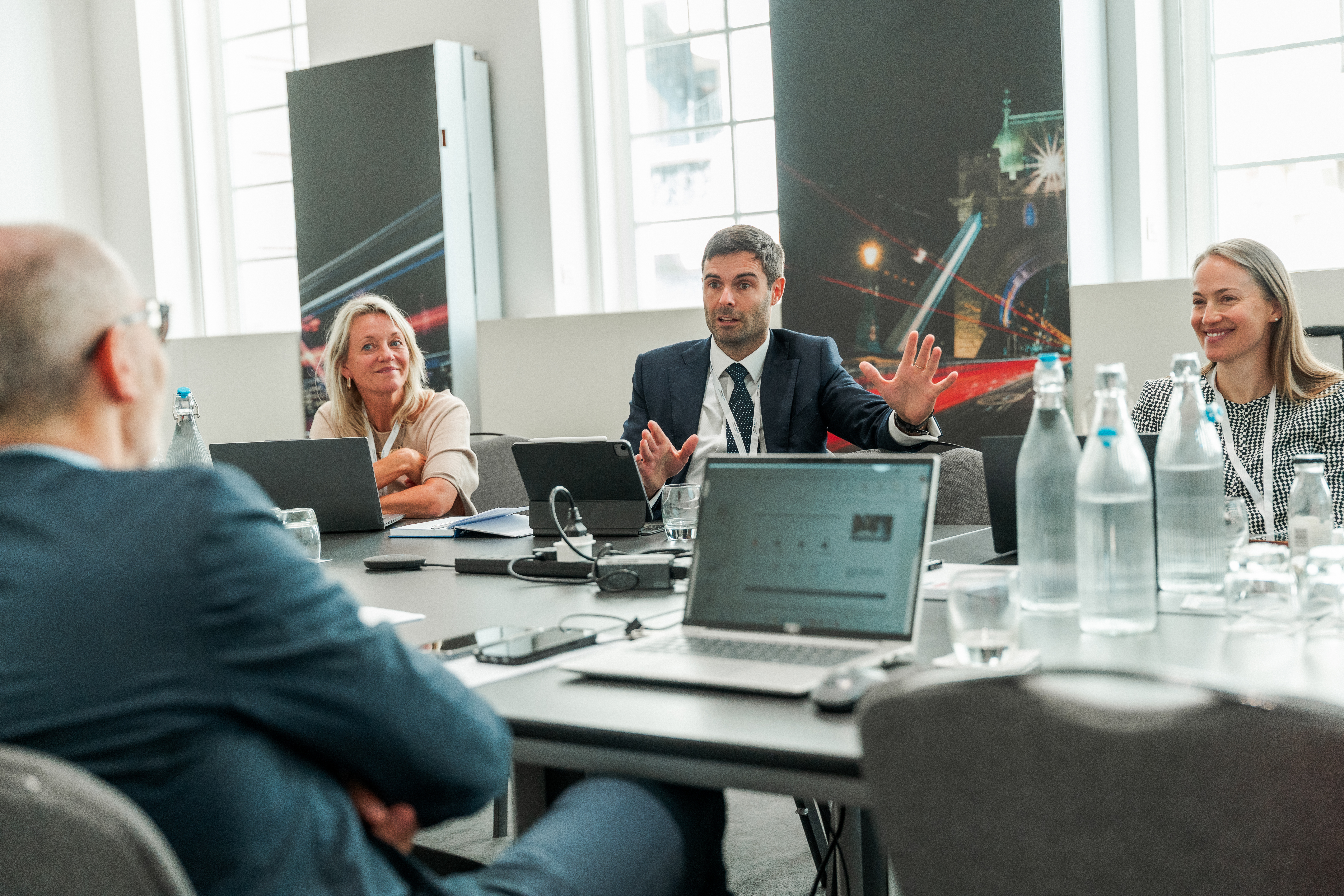
Our next in person Working Groups will be on the 12-14 January 2027 in London at the IET. These meetings will build on the outcomes from our September Working Groups, advancing active projects and shaping the future of our industry. Members who wish to contribute their expertise and shape ongoing work are encouraged to join the relevant Working Groups. To find out how to get involved, please contact members@world-nuclear.org.