World Nuclear Association highlights nuclear's role in industrial decarbonisation at International Energy Forum
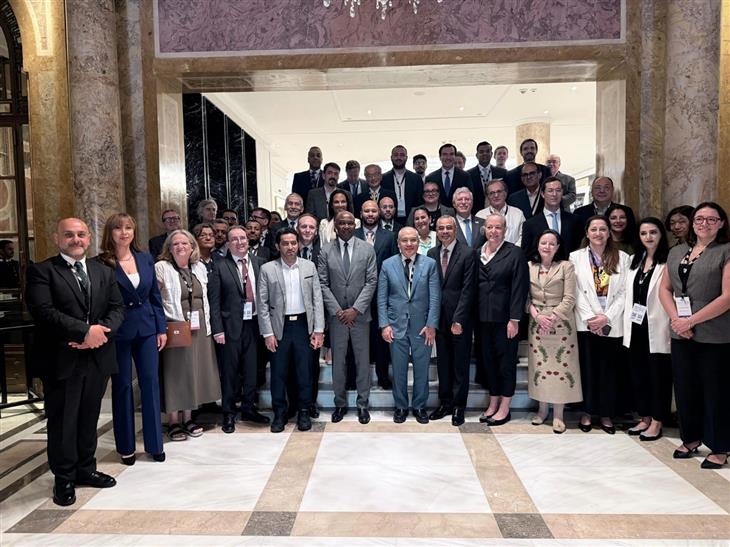
World Nuclear Association participated in the International Energy Forum's (IEF) Industry Advisory Council meeting in Bucharest, Romania, on 29–30 June, contributing to discussions on energy security, resilience and the role of low-carbon technologies in meeting growing global energy demand.
The IEF, an intergovernmental organisation of energy ministers and a neutral platform for dialogue between energy-producing, transit and energy-consuming nations, convened more than 70 senior leaders from around 30 countries. Representatives from the oil, gas, nuclear, renewable energy and minerals sectors, alongside financial institutions and organisations supporting the wider energy ecosystem, met to discuss the investment, infrastructure and policy frameworks needed to strengthen global energy systems. The meeting took place as energy markets responded to the recent Strait of Hormuz supply disruption, bringing renewed focus to security of supply, affordability and resilience.
Raquel Heredia Silva, Senior Programme Lead for Strategic Partnerships at World Nuclear Association, participated in the session Access to Electrons, Molecules, and Minerals: Trade-Offs to Keep Shared Goals within Reach. She outlined the Association's work with industrial sectors to accelerate decarbonisation, particularly in hard-to-abate industries where reliable, low-carbon energy is essential.
During the discussion, World Nuclear Association highlighted nuclear energy's role in supporting the industries that underpin modern economies, including steel production, chemicals manufacturing and the rapidly expanding digital and data centre sectors. Nuclear can provide both low-carbon electricity and industrial heat, enabling these industries to reduce emissions while maintaining competitiveness and energy security. The Association also highlighted examples of industrial heat and cogeneration projects already being deployed around the world.
Discussions throughout the forum reflected growing recognition of nuclear energy's contribution to industrial decarbonisation and its ability to meet increasing demand for reliable, around-the-clock electricity driven by electrification and the rapid growth of data centres. Participants from both governments and industry emphasised the importance of technology-neutral energy policies that recognise the complementary roles of firm, low-carbon generation and variable renewable energy sources.
As part of the programme, participants visited Romania's Cernavodă nuclear power plant, operated by Nuclearelectrica, where they were able to learn more about the industry first-hand.
The conversations will continue at the IEF17 Ministerial in Riyadh this October. World Nuclear Association looks forward to continuing to work with the IEF, its members and its supporting organisations.