15:00 - 17:00
Pre-event Badge Collection
08:00 - 09:00
Registration and refreshments
09:00 - 09:10
Opening Keynote: The Philippines on the Road to Nuclear Power
Hon. Sharon Garin, the Secretary of Energy of the Republic of the Philippines, opens World Nuclear Supply Chain 2026 and the Philippine International Nuclear Energy Forum on behalf of the host government. She sets out the national roadmap to a first nuclear power plant, the energy security case behind it, and the institutional and regulatory foundations now in place for investors and suppliers.
Discussion themes
- The national roadmap, from policy commitment to the first nuclear project
- Energy security and the role of nuclear baseload in a fast-growing economy
- Regulatory and institutional readiness, and what investors and suppliers can expect next

Hon. Sharon Garin
Secretary of the Department of Energy
Republic of the Philippines
09:10 - 09:25
Scaling Nuclear Together: Opportunities and Challenges
The Director General of World Nuclear Association highlight global nuclear development. Referring to the World Nuclear Outlook Report 2026 with global nuclear capacity is projected to reach 1457 GWe. The pipeline of nuclear programmes and projects presents generational opportunity and highlight some of the risks ahead.
Discussion themes
- Where today’s construction is concentrated, and what it will take for 403 GWe of planned and proposed capacity to become firm orders
- International collaboration and the commitment to triple global nuclear capacity
- Priority actions to mobilise deployment and de-risk the supply chain
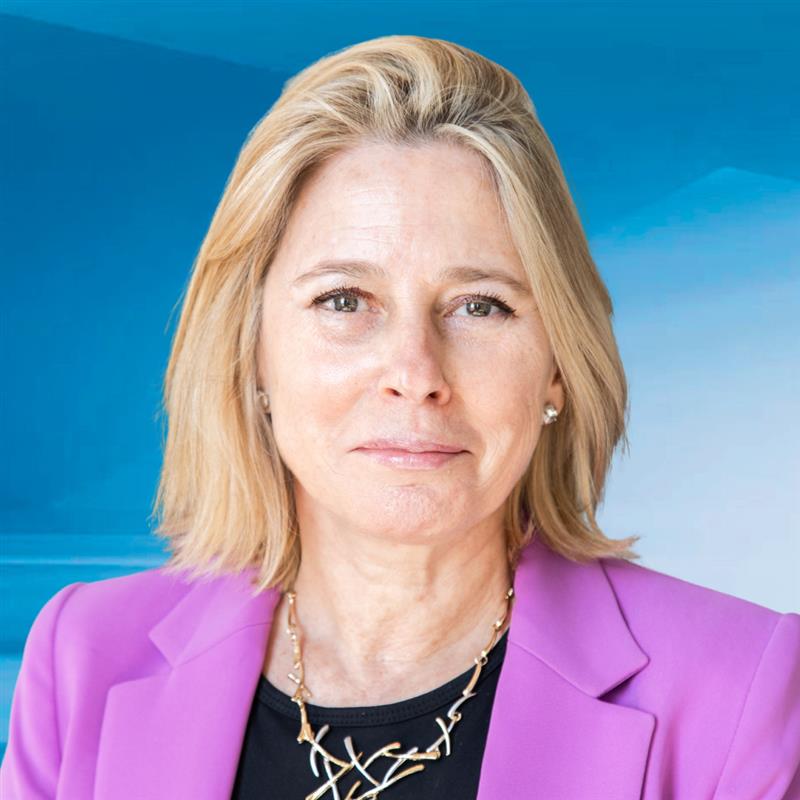
Dr Sama Bilbao y León
Director General
World Nuclear Association
09:25 - 10:10
ASEAN: Regional Pathways to Nuclear Readiness
Southeast Asia is one of the fastest-moving groups of newcomer nuclear programmes, with many countries embarking and exploring nuclear program. However, member states are at very different points on the road. Regional and national representatives highlights nuclear development in the region and national programmes and engagement with international industry.
Discussion themes
- Programme status and institutional and infrastructure development: legal framework, regulator, siting and financing framework
- Capability building and supply chain development
- Engagement and cooperation with international industry to accelerate nuclear development
- Regional cooperation supports technical exchange and training
Moderator - Dr Sama Bilbao y León
Director General
World Nuclear Association
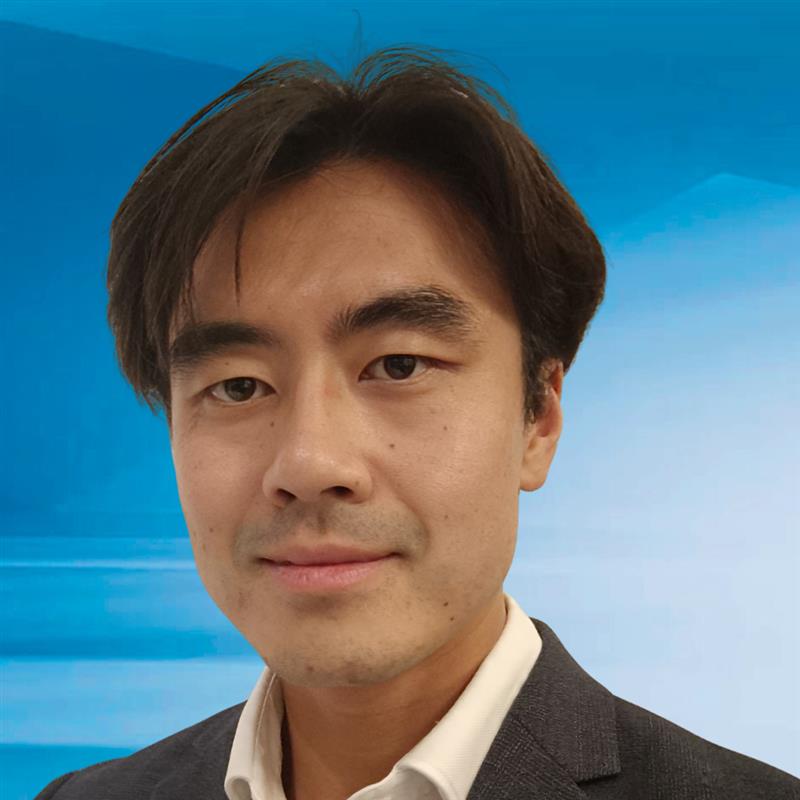
Yinglun Teng
Energy Analyst
International Energy Agency Regional Cooperation Centre
Dato’ Ir. Ts. Abdul Razib Dawood
Executive Director
ASEAN Centre for Energy
Ir. Ts. Dr. Shamsul Amri bin Sulaiman
Chief Technology & Engineering Officer
TNB Genco
10:10 - 10:55
From Roadmap to First Contract: Delivering Nuclear in the Philippines
The Philippines ambition is for first nuclear plant operational in early 2030s, with safety regulator, PhilATOM, established in 2025. Many international partnerships are progressing. Leading Philippine government and energy companies will discuss latest infrastructure development including sites evaluation, financing framework, project development and technology options.
Discussion themes
- Current institutional and infrastructure development including regulatory and financing
- Candidate sites and projects development
- Local engagement: Supply Chain participation
Moderator - Dr Sama Bilbao y León
Director General
World Nuclear Association
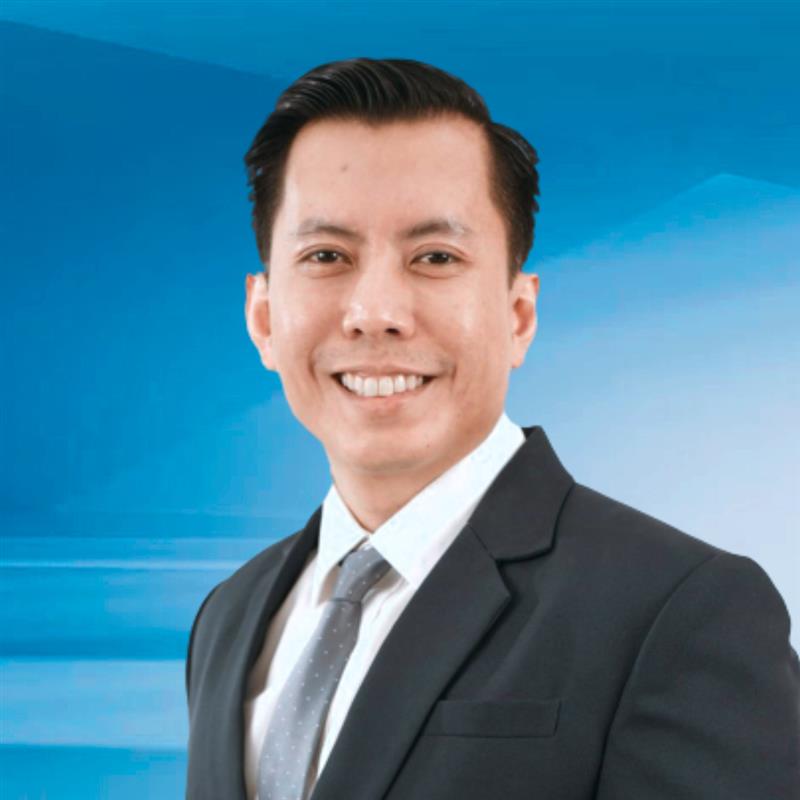
Patrick T. Aquino
Director of the Energy Utilization Management Bureau, Department of Energy
Republic of the Philippines
 (1)_94c0.png)
Emmanuel V. Rubio
President and CEO
Meralco PowerGen Corporation (MGEN)

Nicole Yason
Vice President for Strategy
Aboitiz Power Corporation
10:55 - 17:00
B2B/B2G Meetings Open (Sponsored by NucFinder)
These fast-paced, pre-scheduled meetings are your opportunity to spark new collaborations, explore global partnerships, and drive your business forward. Details on how to join the B2B platform, Brella, can be found in your event registration confirmation email.
_c1032a90.png)
10:55 - 11:30
Networking Break
11:30 - 12:10
ASEAN Nuclear Deployment Pathways: Collaborative Opportunities Across the Value Chain
Foundational institutional and infrastructure work are essential for a successful programme; on siting, regulation, grid, technology selection, financing, skills and industrial participation. This session explores approaches by policy makers and partitioners to support national nuclear policy and the development major technical, legal, safety, and organizational infrastructure issues.
Discussion themes
- Approach to support national nuclear policy and explore technical, legal, safety, and organizational infrastructure issues
- Explore local feasibility studies and practices
- Cooperation and lessons from international industry
_c67c.png)
Moderator - King Lee
Head of Policy and Industry Engagement
World Nuclear Association
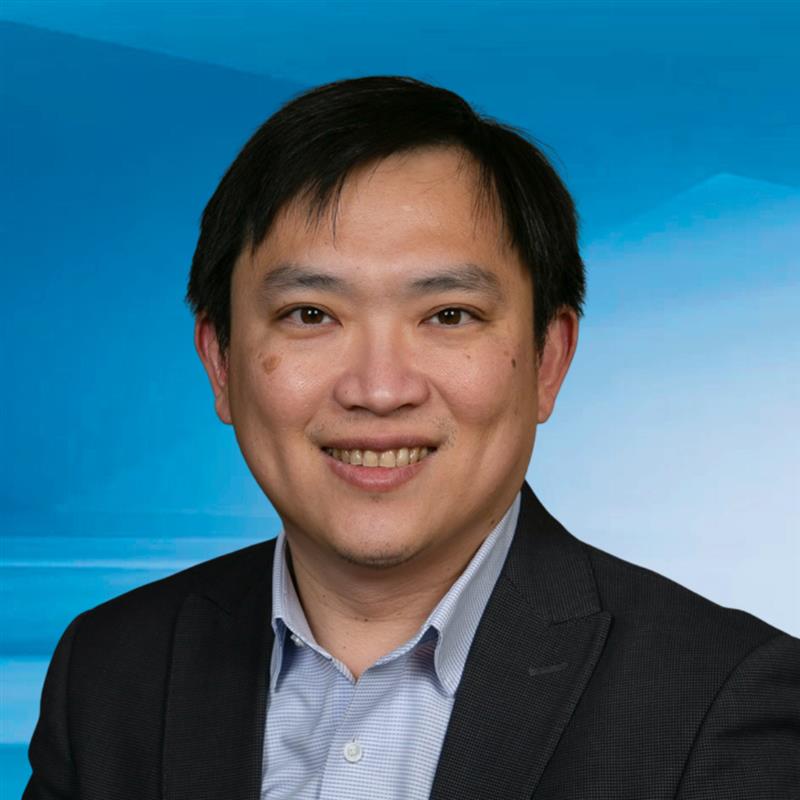
Ming Tan
Global Practice Leader - Nuclear
Mott MacDonald
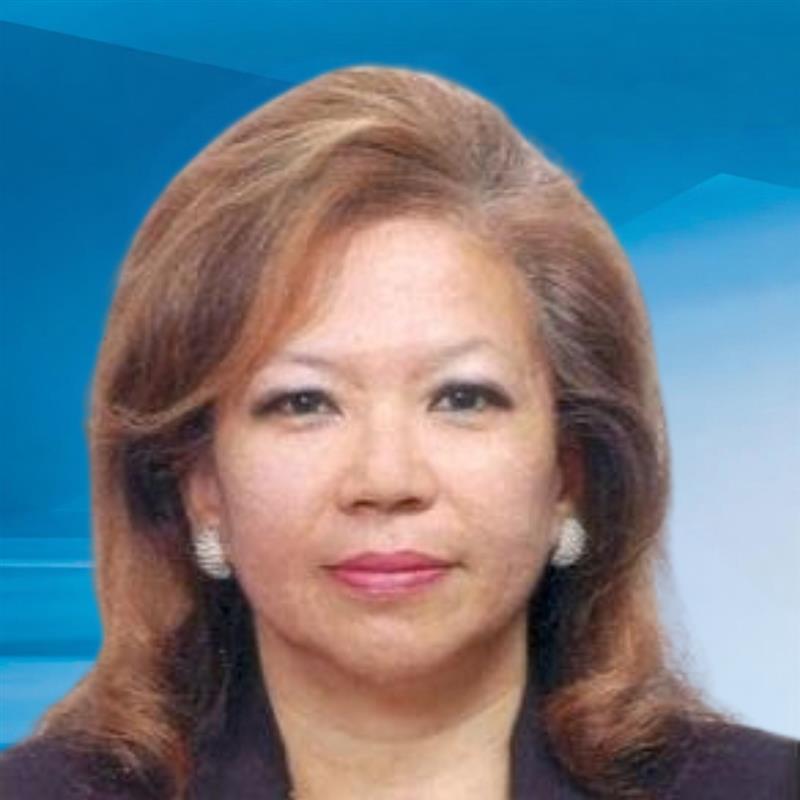
Sheriffah Noor Khamseah Al-Idid
Consultant Nuclear Power, Venture Capital & Innovation Global Network Ambassador
World Nuclear Energy Day (WNED) - Malaysia
Vallerie Ann I. Samson
Director
Philippine Nuclear Research Institute (PNRI)
12:10 - 12:35
Championing Nuclear and Building Support
A policy maker experience and perspective of advocating nuclear energy and gathering support across policy makers, stake holders and wider society. To share the view points of the major issues for the development and deployment of nuclear energy for Southeast Asia country.
Moderator - King Lee
Head of Policy and Industry Engagement
World Nuclear Association
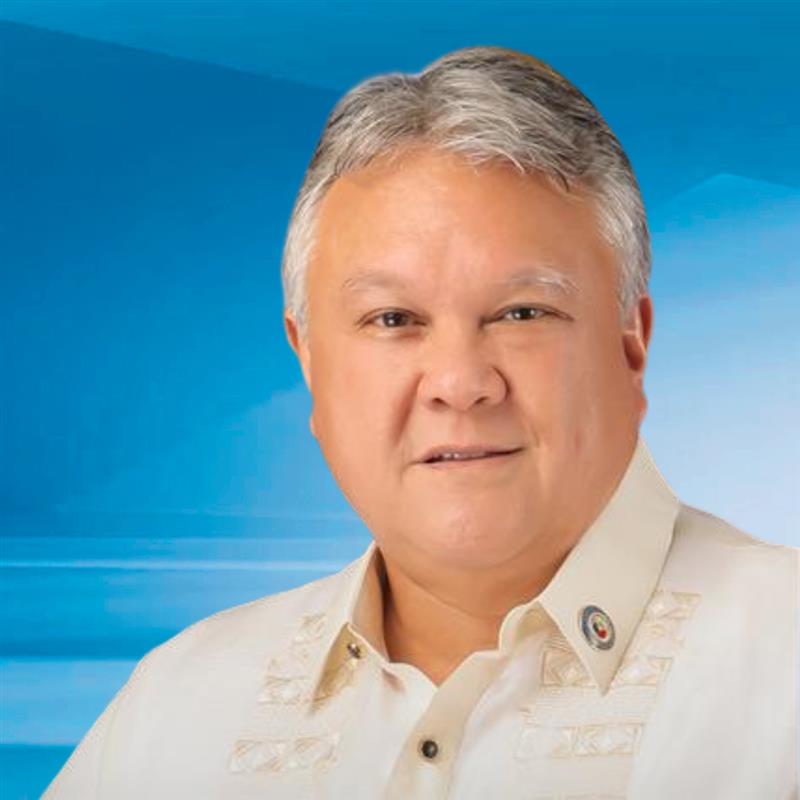
Hon. Mark Cojuangco
Representative, District of Pangasinan
House of Representatives, Philippines
12:35 - 13:40
Lunch & Extended Networking (Sponsored by Mott MacDonald)
13:40 - 14:20
What Makes Programmes Succeed: Key Success Factors for Nuclear Deployment
Many countries are advancing nuclear programme with active new-build projects and recent experience. These countries have established licensing, mature institutions, delivery and operational experience. Representatives of established and exporting nuclear nations policy makers share their experience on nuclear programme and the lessons.
Discussion themes
- Government and industry frameworks that support project development and reduce construction risk
- Financing models that reduce the cost of capital and accelerate investment decisions
- Supply Chain and workforce capacity building
Moderator - King Lee
Head of Policy and Industry Engagement
World Nuclear Association
 _4176.png)
Hon. Jeremy Harrison
Minister of Crown Investments Corporation
Government of Saskatchewan

Rhiannon Harries
Deputy Trade Commissioner
UK Department for Business, Innovation, Science and Trade

Osamu Onodera
Director-General for International Affairs
Agency for Natural Resources and Energy, Ministry of Economy Trade and Industry
14:20 - 15:00
Mobilising New Build Programmes
What does it really takes to mobilise a new build programme, from site selection and licensing through EPC strategy to local capability and first-of-a-kind delivery? Drawing on experience of successful multi-unit construction programmes in Industry experts explore issues relevant for newcomers countries.
Discussion themes
- Sequencing the project critical path, from site selection to construction
- Delivery strategy and contractor model
- Local capability, technology transfer and workforce mobilisation
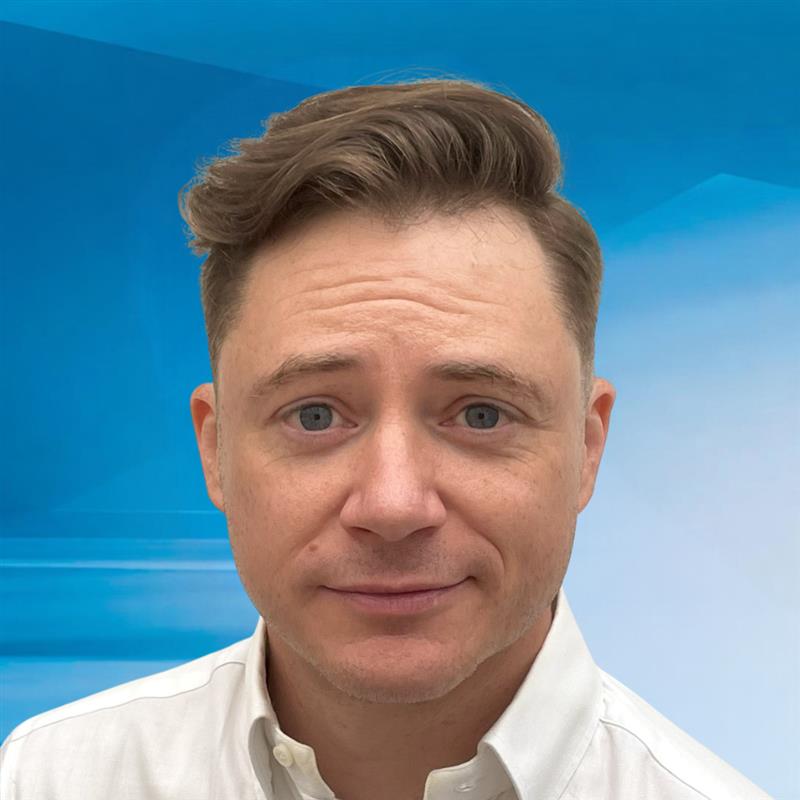
Moderator - Nathan Paterson
Senior Programme Lead on Supply Chain
World Nuclear Association
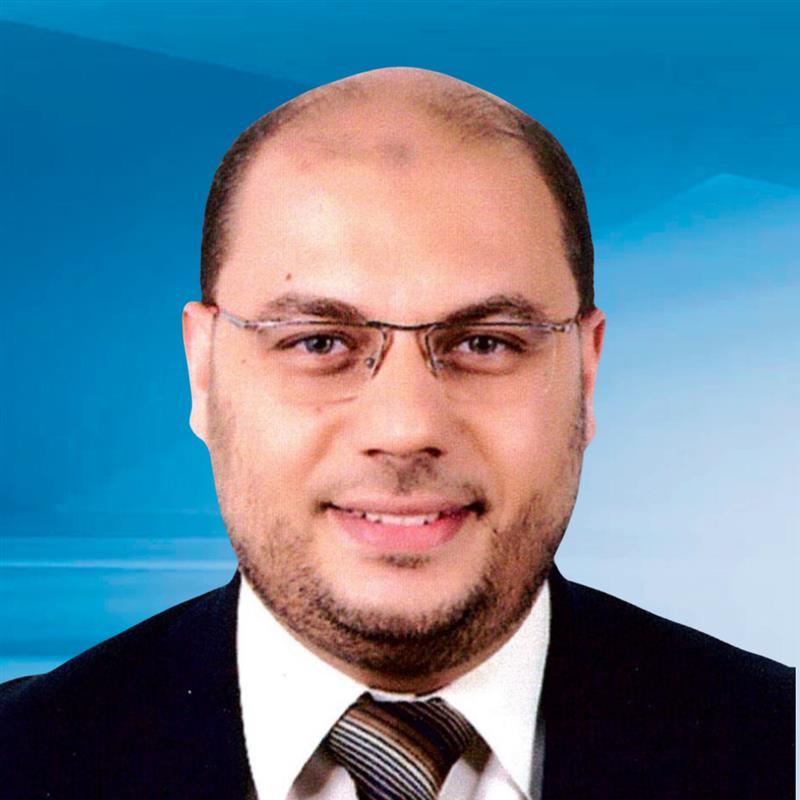
Dr. Mohammed Dwiddar
Advisor to the Board Chairman for Nuclear Projects
Nuclear Power Plants Authority (NPPA), Egypt
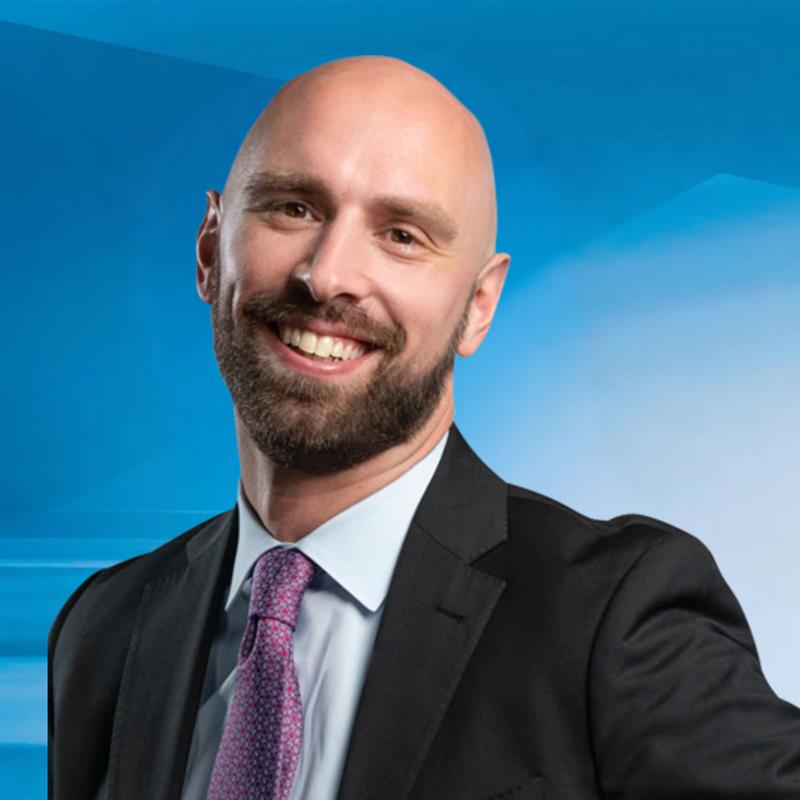
Sang-won Shin
General Manager
Korea Hydro & Nuclear Power (KHNP)
Dr. Benjamin Sauer
Partner
McKinsey & Company
15:00 - 15:40
Networking Break
15:40 - 16:15
Pathway to First Concrete: Delivering Nuclear in Vietnam
Vietnam is the region’s most advanced newcomer: with Ninh Thuan 1 project to start construction soon. The project owner and its technology partner discuss Vietnam’s approach to Infrastructure readiness, international partnership and supply chain engagement, and how much industrial capability the country can build on its first units.
Discussion themes
- From law to construction: what the legal framework and intergovernmental agreement unlock, and the realistic path to first concrete
- The owner and vendor partnership: roles, risk sharing and schedule
- Vietnamese industrial participation: which scopes domestic firms can take on the first units, and how to qualify for the next
Moderator - King Lee
Head of Policy and Industry Engagement
World Nuclear Association
Nguyen Huu Huan
Deputy Manager, Economic and Planning Department
Vietnam Atomic Energy Institute (VINATOM)
Dmitry Raspopin
Chief Executive Officer
ROSATOM Vietnam
16:15 - 16:50
Sustaining the Existing Nuclear Fleet: Benefits Through the Value Chain
Extending an existing reactor's operating life is widely regarded as the lowest-cost option. Some countries are even returning idled units to service. Yet these remain major, long-term investments. Speakers from government, industry, and a host community explore what uprates, refurbishment and restarts require from suppliers and what they mean for plant workforces and local economies.
Discussion themes
- Long-term operation and major component replacement
- Workforce and social value: how refurbishment sustains host-community supply chains
- Transfer of supply chain, skills and know-how into new build and newcomer programmes
Moderator - Nathan Paterson
Senior Programme Lead on Supply Chain
World Nuclear Association
Nagesh Basarkar
Chairman and Managing Director
Core Energy Systems
Fiaz Jadoon
Director
Economic Development & Strategic Projects, City of Pickering, Canada
16:50 - 17:20
Choosing the Path: Delivering Nuclear in Indonesia
Indonesia is Southeast Asia’s largest power market, with staged nuclear ambitions running from the early 2030s to the middle of the century and cooperation under way with several supplier nations. The session discusses technology choice, institutional readiness and financing, as well as the practical next steps towards a first project.
Discussion themes
- Indonesia’s technology selection and the vendor engagement
- Policy, legislative and regulatory developments that enable deployment
- Delivery roles and responsiblities: what the state utility and the private sector each carry, and which scopes Indonesian industry could credibly supply
- Financing structures and site readiness
Moderator - King Lee
Head of Policy and Industry Engagement
World Nuclear Association
Edwin Nugraha Putra
Director of Technology Engineering and Sustainability
PT PLN (Persero)
17:20 - 17:30
Day One in Review: The Demand Signal, Insights and Takeaways
Dr Sama Bilbao y León
Director General
World Nuclear Association
17:45 - 18:30
Networking Reception (hosted by World Nuclear Association)
18:45 - 21:00
Cultural Show followed by seated Dinner (hosted by The Department of Energy, Republic of the Philippines)
08:30 - 09:00
Arrival & Refreshments
09:00 - 09:20
Deployment Mobilisation: Turning Ambition into Delivery
Introduction with key highlights from previous day of strong demand signal and previewing the agenda for the day ahead on the opportunities for collaborations support delivery of nuclear across Southeast Asia
Discussion themes
- Translating deployment ambition into measurable milestones for licensing and siting that can satisfy project finance requirements.
- Priority actions: manufacturing capacity, workforce development and regulatory alignment
- What suppliers, financiers and governments each need to do next
Dr Sama Bilbao y León
Director General
World Nuclear Association
Patrick T. Aquino
Director of the Energy Utilization Management Bureau, Department of Energy
Republic of the Philippines
09:20 - 10:00
Delivering Sector Growth: What Top-Performing Projects Do Differently
Delivery performance depends on project structure and implementation model. Programme managers, engineers and constructors examine the various delivery models, and explore good practices from international experience.
Discussion themes
- What separates top-performing projects on construction execution and schedule
- What lessons can be learnt from new ways of delivery and insights from other sectors
- EPC and collaborative delivery models, modular construction and digital project controls
- Moving from first-of-a-kind to nth-of-a-kind
Moderator - Dr Sama Bilbao y León
Director General
World Nuclear Association
Jack Haberman
Operations Manager
Leighton
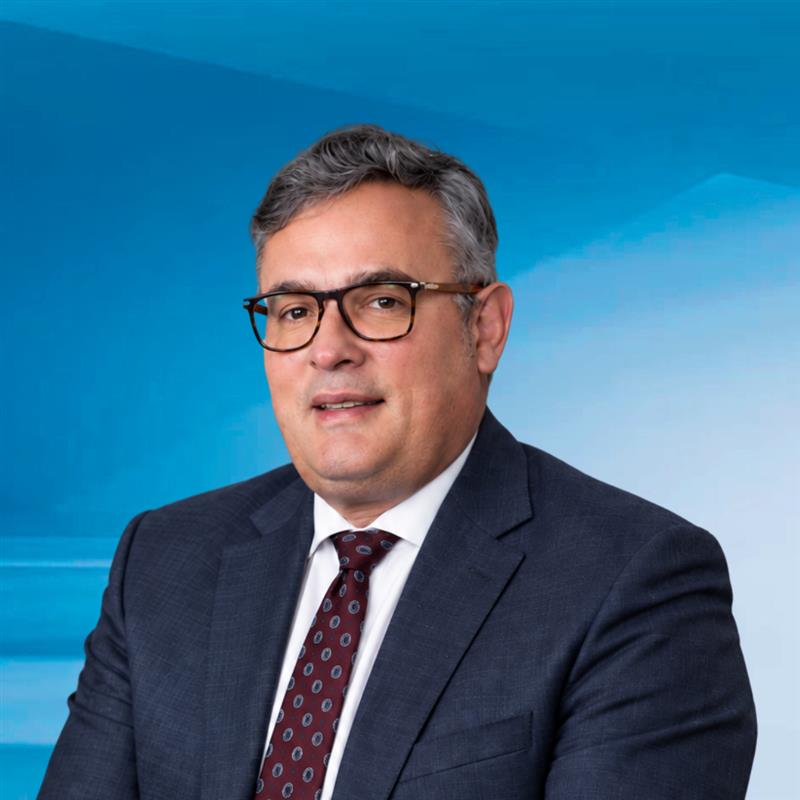
Ricardo Moreno Escudero
Business Development VP, Commercial Director, and Deputy Director Nuclear Engineering Services
Empresarios Agrupados - GHESA

Sangwoo KIM
Senior Vice President, Global Infrastructure Division
Daewoo E&C
10:00 - 10:40
Derisking Nuclear Deployment Through International Collaboration
Nuclear programmes are major infrastructure project involving many organisations. New entrants will seek to collaborate with global partners and leveraging on the international supply chains.
Discussion themes:
- How component manufacturers and technology partners extend the value chain globally
- Cross-border partnerships that accelerate technology deployment and reduce risk
- Risk-sharing models across the vendor-utility-government triad
Moderator - King Lee
Head of Policy and Industry Engagement
World Nuclear Association
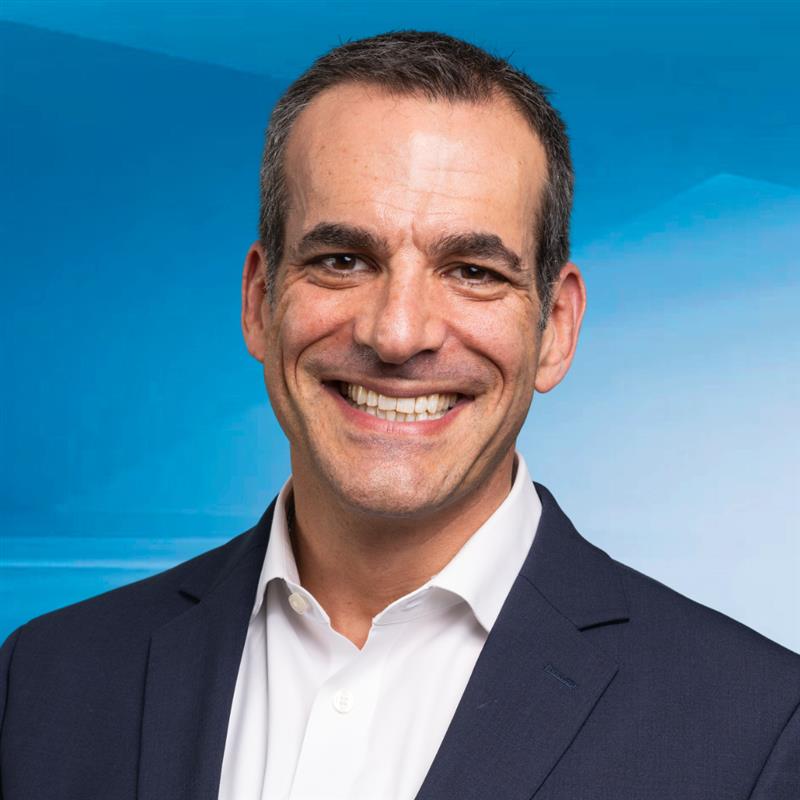
Jeffrey Miller
Senior Vice President of Business Development
TerraPower
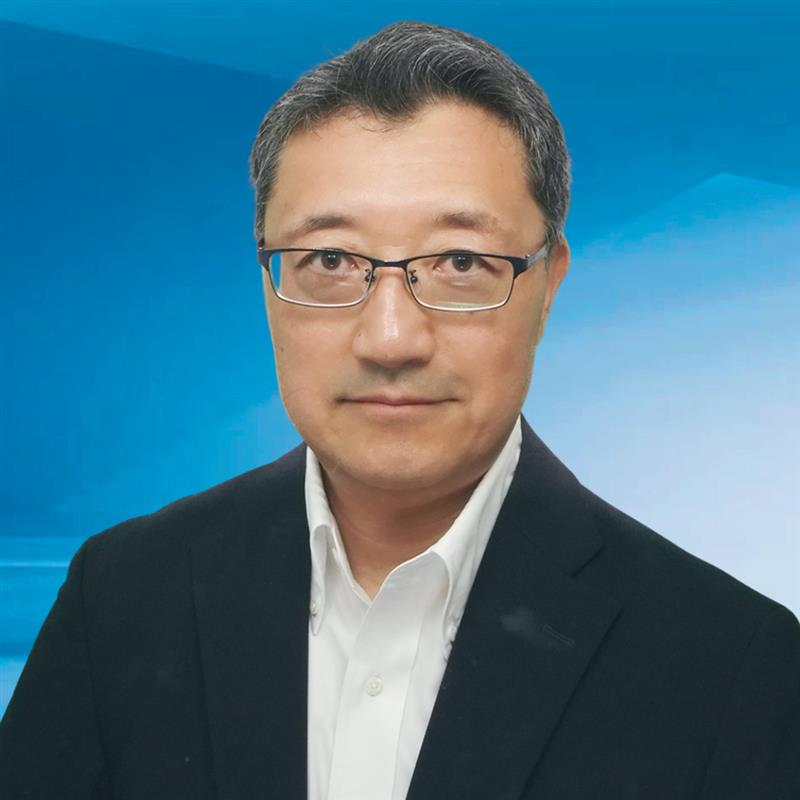
Masanori Ijichi
Division Director of Nuclear Power Plant Project Center
IHI Corporation
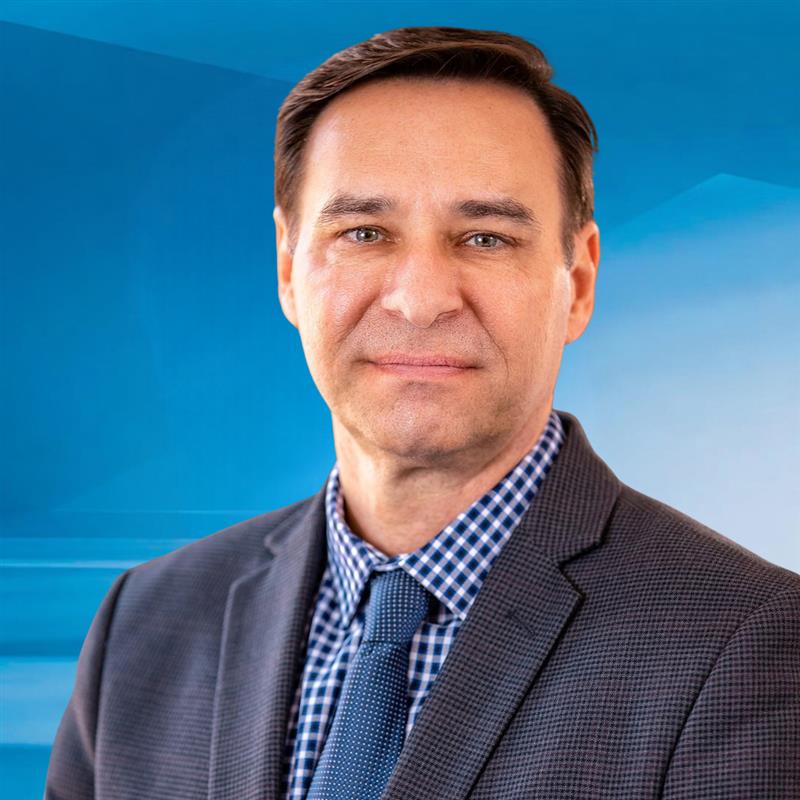
Carlos Leipner
Senior Consultant
Sargent & Lundy’s Nuclear Power Group
10:40 - 16:00
B2B/B2G Meetings Open (Sponsored by NucFinder)
10:40 - 11:10
Networking Break
11:10 - 11:50
Supplier Strategies for Global Nuclear Markets
International nuclear supply chain companies , build partnerships and decide where to invest in new capacity. Manufacturers and engineering firms explain how they decide which vendors and markets to pursue, how they structure partnerships with host-country companies, and what it takes to justify investing in new capacity ahead of firm orders.
Discussion themes
- Choosing where to compete: which vendors, markets and design codes to qualify for
- Local content: partnership models with host-country suppliers that meet nuclear quality and schedule requirements
- Resilient supply chains that serve both new build and long-term operation
Moderator - Nathan Paterson
Senior Programme Lead on Supply Chain
World Nuclear Association

Adrian Davies
Vice President, Supply Chain Management
Candu Energy Inc., an AtkinsRéalis Company
Andy Fry
Global Supply Chain Development Leader
GE Vernova
Jeremy Stain
Nuclear Business Leader
Arup
11:50 - 12:15
Nuclear Afloat: Floating Power for Island and Coastal Markets
Floating nuclear power plants (FNPPs) offer a flexible options for delivering power to coastal regions. FNPP can be built in a shipyard reducing deployment time and requirement for local infrastructure. This spotlight explore experience and benefits of FNPP.
Discussion themes
- Where floating nuclear fits: island grids, remote industry and coastal cities
- Shipyard-built reactors: challenges and opportunities for manufacturing, quality and the supply chain
- Tackling questions on regulation, maritime law, siting and grid integration
Moderator - King Lee
Head of Policy and Industry Engagement
World Nuclear Association
Dmitry Raspopin
Chief Executive Officer
ROSATOM Vietnam
12:15 - 13:30
Lunch and Networking (Sponsored by Saskatchewan Canada)

13:30 - 14:10
Financing Nuclear Projects
Financing Nuclear projects being many challenges with high capital costs, construction risks and appropriate revenue model. Development banks and investors explore on business model and appropriate risks allocation for nuclear new build.
Discussion themes
- De-risking structures: blended finance, sovereign guarantees, export credit and insurance
- The role of development banks and the emerging role of private capital
- Smaller units and phased commitment: do they lower the financing barrier or redistribute the same risk?
- Financing the factory, not just the plant: could an aggregated, multi-programme order book be made financeable?
Moderator - King Lee
Head of Policy and Industry Engagement
World Nuclear Association
_1c44.png)
George Borovas
Partner
Hunton Andrews Kurth
Keiju Mitsuhashi
Director, Southeast Asia and the Pacific (SEAP), Energy Sector Office
Asia Development Bank
Bipul Singh
Energy Program Lead
World Bank
14:10 - 14:50
Manufacturing Readiness for the Nuclear Pipeline
The World Nuclear Supply Chain Report outline the global nuclear projects pipelines and provide insights of demand of major nuclear equipment. Manufacturers discuss where capacity is most constrained, insights on what it takes to successfully engage the international nuclear market, and how attention to collaborative industry efforts such as the WNA’s new Manufacturing Sub-Group can help companies act together to strengthen and expand a resilient supply chain.
Discussion themes
- Insights on supply chain demand, capability and capacity from the World Nuclear Supply Chain Report
- Manufacturing capacity versus projected demand: where are the critical gaps?
- Opportunities for nuclear new build and lifetime extension from a suppliers perspective
- Qualification, quality and investment: how mid-tier manufacturers scale up for nuclear
Moderator - Nathan Paterson
Senior Programme Lead on Supply Chain
World Nuclear Association
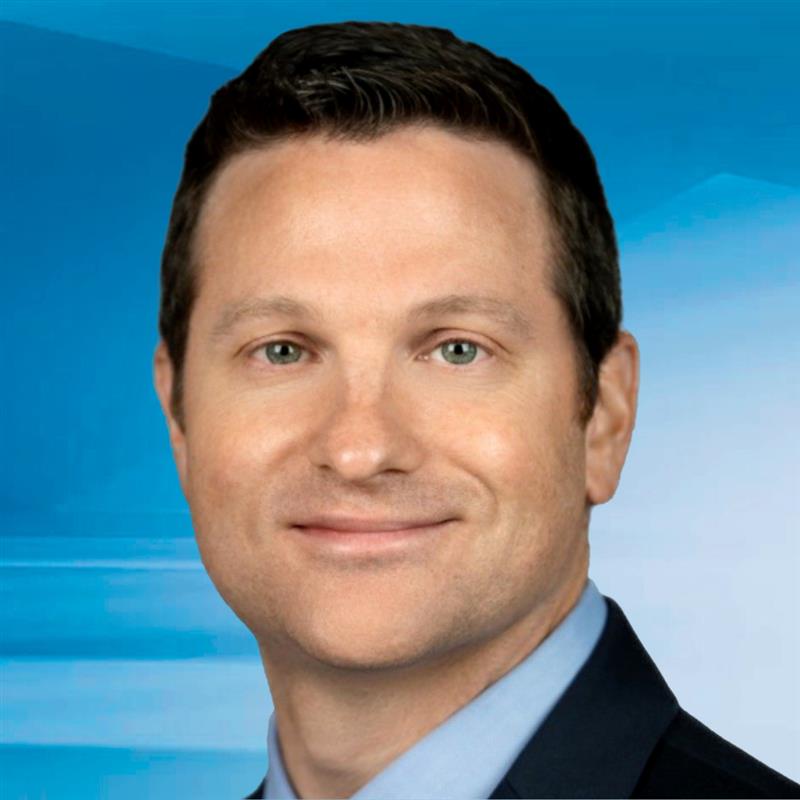
Stefan Wingerath
VP Nuclear
Velan
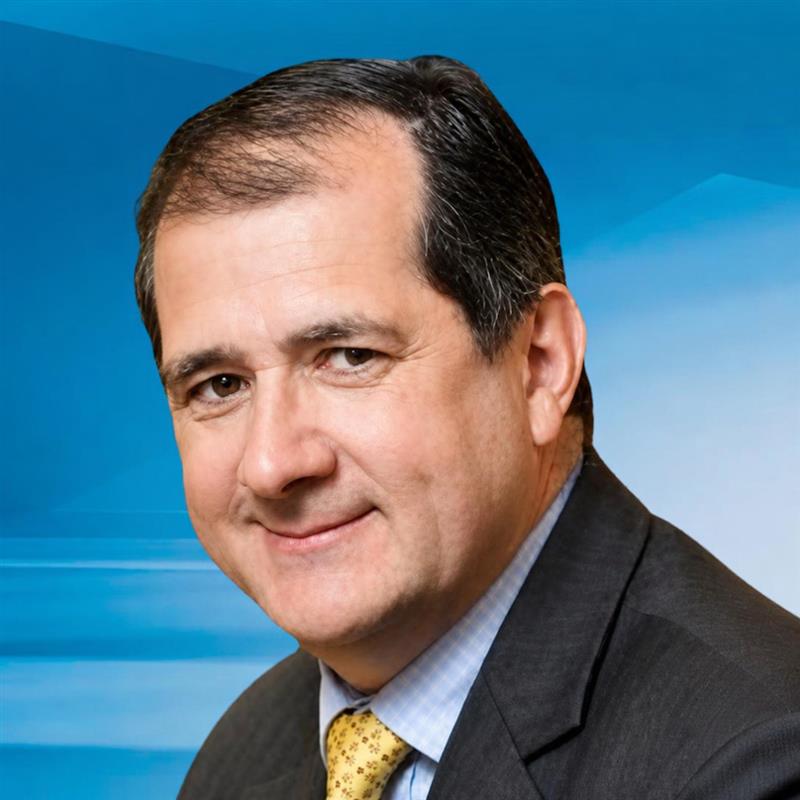
Ramon Gasull
Sales Director
TÜV SÜD
14:50 - 15:30
Networking break
15:30 - 16:10
From Projects to Programmes: Nuclear Industrial Strategies
The session will explore delivery models to for scaling of nuclear from projects to programmes. Programmatic delivery approach to enable greater project and cost effectiveness; Fleet Deployment Models will include; standardization, delivery model and modularization.
Discussion themes
- The shift from one-off projects to programmatic, multi-unit deployment
- Integrated delivery teams: aligning owner, vendor, EPC and constructors through collaborative contracting and shared risk
- Realistic baselines: design for manufacture maturity, benchmarking and integrated scheduling
- Enabling a resilient business and policy environment for the nuclear sector whilst it gathers pace as it ramps up construction and supply chain delivery across the programme lifecycle
Moderator - Nathan Paterson
Senior Programme Lead on Supply Chain
World Nuclear Association
Steve Chengelis
Vice President
Energy Supply
Mark Lunn
Chief Engineer, International Energy Programmes
Amentum
16:10 - 16:25
Manila Commitments: Conference Reflections and Closing Remarks
Dr Sama Bilbao y León
Director General
World Nuclear Association
Senior Representative
Department of Energy
Republic of the Philippines
18:00 - 20:00
Informal Delegates’ Dinner (hosted by The Department of Energy, Republic of the Philippines)
05:00 - 17:00
Technical Tour of Bataan Nuclear Power Plant
Schedule
We will travel by coach on Thursday 22 and Friday 23 October from the conference hotel lobby.
| Time | Activity |
| 04:30 | Tea/coffee and hotel check-out |
| 05:00 | Depart hotel for Bataan Nuclear Power Plant |
| 09:00-09:30 | Arrival/ Refreshments |
| 09:30-10:00 | Orientation and Briefing |
| 10:00-10:15 | Photo opportunity |
| 10:15-11:15 | Tour |
| 11:15-11:30 | Photo opportunity |
| 12:00 | Group lunch at La Jolla Resort |
| 13:30 | Depart |
| 17:30 | Arrival back at conference hotel/base |
*Please note the schedule may be subject to small changes
- Refreshments will be provided throughout the visit.
- Parts of the plant can get quite warm and humid, especially around midday and in the nuclear area (Nuclear Steam Supply System). Please dress for the heat.
- Please wear comfortable clothing and closed-toe shoes. For safety reasons, sandals and open-toed shoes are not permitted.
- Visitors with pre-existing medical conditions will not be able to enter the plant areas.
- A changing area will be available on site.
05:00 - 17:00
Technical Tour of Bataan Nuclear Power Plant
Schedule
We will travel by coach on Thursday 22 and Friday 23 October from the conference hotel lobby.
| Time | Activity |
| 04:30 | Tea/coffee and hotel check-out |
| 05:00 | Depart hotel for Bataan Nuclear Power Plant |
| 09:00-09:30 | Arrival/ Refreshments |
| 09:30-10:00 | Orientation and Briefing |
| 10:00-10:15 | Photo opportunity |
| 10:15-11:15 | Tour |
| 11:15-11:30 | Photo opportunity |
| 12:00 | Group lunch at La Jolla Resort |
| 13:30 | Depart |
| 17:30 | Arrival back at conference hotel/base |
*Please note the schedule may be subject to small changes
- Refreshments will be provided throughout the visit.
- Parts of the plant can get quite warm and humid, especially around midday and in the nuclear area (Nuclear Steam Supply System). Please dress for the heat.
- Please wear comfortable clothing and closed-toe shoes. For safety reasons, sandals and open-toed shoes are not permitted.
- Visitors with pre-existing medical conditions will not be able to enter the plant areas.
- A changing area will be available on site.